






What's Happening?
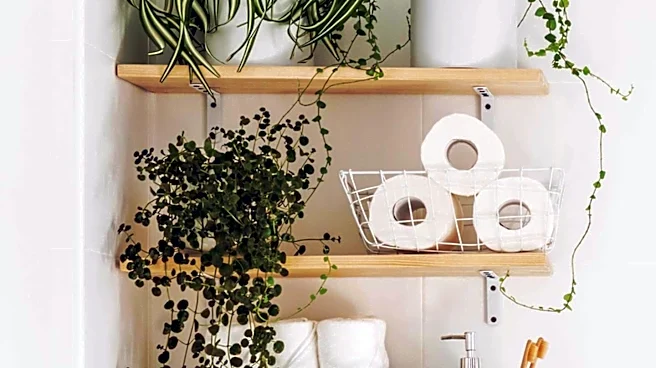
New data indicates that vertical storage solutions can dramatically increase usable storage volume in small homes across the U.S. A closet footprint of 3 feet by 1.5 feet, utilizing floor-level bins stacked to 3 feet, provides 13.5 cubic feet of storage.
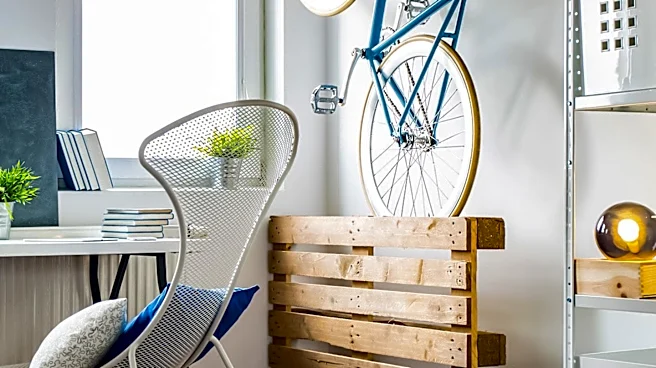
However, extending shelving to a 7-foot reachable height within the same footprint boosts storage to 31.5 cubic feet, representing a 133 percent increase. This calculation emphasizes optimizing height rather than solely focusing on floor space. The median size of new single-family homes in the U.S. has decreased to 2,150 square feet in 2024, down from 2,200 square feet in 2023 and 2,300 square feet from 2019-2022, according to the National Association of Home Builders. This trend makes efficient storage solutions increasingly relevant for a growing number of households. Storage hacks, defined as low-cost, low-effort adjustments like door-mounted racks, tension rods, and repurposed jars, are highlighted as effective methods that often cost under $20 and are suitable for rentals as they require no permanent installation.
Why It's Important?
The shrinking size of new single-family homes in the U.S. directly impacts the demand for innovative and efficient storage solutions. As living spaces become more compact, maximizing every cubic foot of available area becomes crucial for homeowners and renters alike. The significant increase in storage capacity offered by vertical solutions, as demonstrated by the 133 percent gain in a standard closet footprint, provides a practical and cost-effective way to address storage challenges without requiring expensive renovations or additional square footage. This trend affects various industries, including home goods, furniture manufacturing, and real estate, as consumers seek products and designs that cater to smaller living environments. The emphasis on low-cost, non-permanent hacks also benefits renters, who often face restrictions on modifications, allowing them to improve their living conditions without violating lease agreements. The shift towards optimizing vertical space reflects a broader societal adaptation to evolving housing market dynamics and a growing need for functional, adaptable living spaces.
What's Next?
As the trend of smaller U.S. homes continues, the market for space-saving furniture and organizational products is expected to expand. Manufacturers and retailers will likely focus on developing more modular, multi-functional, and vertical storage options to meet consumer demand. We may see an increase in products designed for specific small spaces, such as compact kitchens, laundry rooms, and closets, with an emphasis on ease of installation and affordability. Additionally, interior design and home improvement content will likely continue to highlight creative hacks and strategies for maximizing space, influencing consumer purchasing decisions. The real estate sector may also begin to emphasize the 'storage efficiency' of properties, beyond just square footage, as a key selling point for smaller homes and apartments. Consumers will increasingly prioritize measuring their spaces before purchasing storage solutions to ensure optimal fit and functionality, moving away from generic decluttering advice towards more tailored approaches.
Beyond the Headlines
The increasing relevance of vertical storage solutions in U.S. homes points to a deeper cultural and economic shift. The reduction in median home size suggests a response to factors such as rising housing costs, urbanization, and changing lifestyle preferences, including a move towards minimalism or more sustainable living. This trend challenges traditional notions of spaciousness and encourages a more thoughtful approach to consumption and organization. The adoption of 'storage hacks' also reflects a growing DIY culture and a desire for practical, accessible solutions that empower individuals to improve their living environments without significant financial outlay. Ethically, this shift could promote more sustainable consumption patterns by encouraging people to make the most of their existing space and possessions rather than constantly seeking larger homes or accumulating more items. It also highlights the ingenuity required to maintain comfort and functionality in increasingly compact urban and suburban dwellings, fostering a greater appreciation for efficient design and resourcefulness.