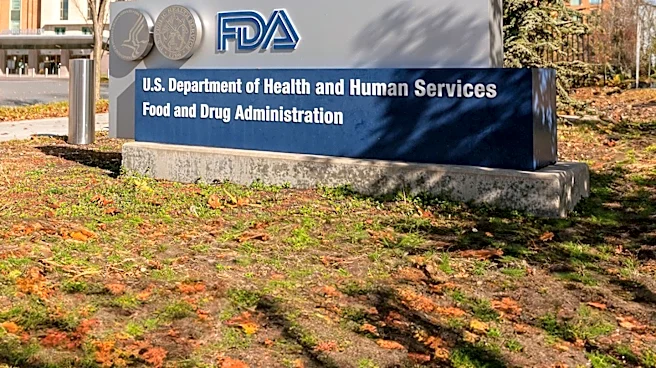









What's Happening?
The life sciences industry, encompassing pharmaceutical, biotechnology, and medical device companies, operates under stringent regulatory compliance requirements. Adherence to these regulations, laws, guidelines, and specifications set by governing bodies
like the FDA and EMA is crucial for ensuring product safety, efficacy, and quality. Non-compliance can lead to severe consequences, including product recalls, substantial fines, loss of operating licenses, and significant reputational damage. Compliance is not a one-time event but an ongoing process that involves understanding and interpreting current regulations, implementing systems and processes aligned with regulatory expectations, meticulously maintaining documentation and records to demonstrate adherence, and actively participating in regular audits and inspections. Key areas of focus include Good Manufacturing Practice (GMP), Good Clinical Practice (GCP), Good Laboratory Practice (GLP), Pharmacovigilance, and Labeling and Advertising Compliance. These practices ensure that products are consistently produced, clinical trials are ethical, laboratory studies are integral, product safety is monitored post-market, and product claims are truthful and balanced.
Why It's Important?
Regulatory compliance forms the foundational backbone of the life sciences industry, directly impacting public health and safety. For companies, it is essential for obtaining and maintaining product approvals, which are necessary to bring innovations to market. The financial implications of non-compliance are substantial, with potential fines and legal penalties that can severely impact a company's bottom line and long-term viability. Beyond financial repercussions, the loss of licenses can halt operations entirely, while product recalls erode consumer trust and damage brand reputation, which can take years to rebuild. For patients, robust compliance ensures that the medicines and medical devices they rely on are safe, effective, and of high quality, minimizing health risks. This continuous commitment to regulatory standards fosters a trustworthy environment for healthcare innovation and delivery, safeguarding both industry integrity and public well-being.
What's Next?
Companies in the life sciences sector must continue to adapt to evolving regulatory landscapes and invest in robust compliance programs. This includes staying updated on new guidelines from regulatory bodies such as the FDA and EMA, which frequently update their requirements in response to scientific advancements and emerging public health concerns. Future efforts will likely focus on integrating advanced technologies, such as AI and data analytics, into compliance monitoring and reporting to enhance efficiency and accuracy. There will also be an increased emphasis on global regulatory harmonization, requiring companies to navigate diverse international frameworks while maintaining consistent quality standards. Furthermore, audit readiness and inspection preparedness will remain critical, necessitating continuous internal audits, staff training on Standard Operating Procedures (SOPs), and the implementation of Corrective and Preventive Actions (CAPAs) to address any identified deficiencies proactively. The industry will also need to address challenges like managing documentation across multiple jurisdictions and ensuring cross-functional alignment between regulatory, quality, and clinical teams.
Beyond the Headlines
The rigorous compliance demands in the life sciences industry extend beyond mere legal adherence, shaping the very culture and operational ethos of companies. The ethical dimension is profound, as the industry deals directly with human health and well-being, making integrity and transparency paramount. Legal frameworks are constantly evolving, pushing companies to adopt proactive rather than reactive compliance strategies, often leading to significant investments in specialized personnel and technology. Culturally, a strong compliance framework fosters a commitment to quality and patient safety throughout an organization, influencing everything from research and development to manufacturing and marketing. This continuous pressure for compliance also drives innovation in process management and data handling, as companies seek more efficient ways to meet regulatory burdens. Ultimately, the long-term shift is towards a more integrated and data-driven approach to compliance, where regulatory adherence is embedded into every stage of the product lifecycle, ensuring sustained public trust and industry responsibility.