


What's Happening?
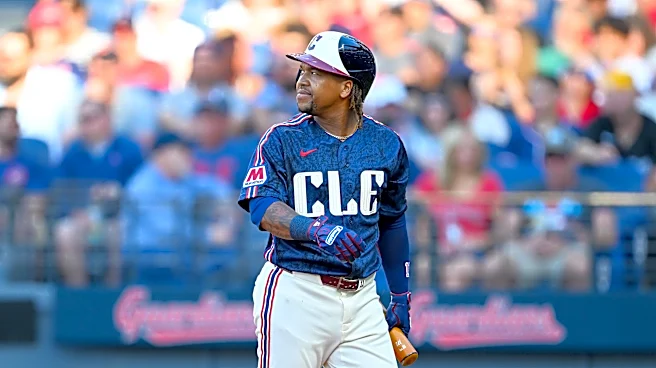
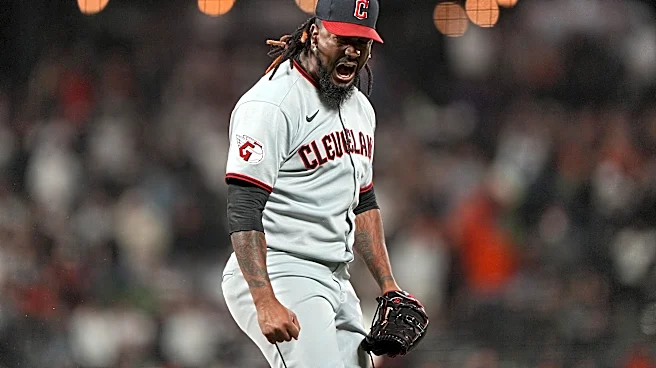
Major League Baseball players Emmanuel Clase and Luis Ortiz are currently on trial in federal court, facing charges of conspiracy, fraud, bribery, and money laundering. Prosecutors allege that the two pitchers engaged in a pitch-rigging scheme, manipulating
pitch locations and speeds to benefit outside bettors. Clase is accused of rigging at least 18 pitches across 17 games, while Ortiz is accused of rigging two pitches. The alleged activity involved micro-bets on outcomes such as pitch velocity and whether a delivery would result in a ball or a hit batter. According to the indictment, bettors allegedly collected approximately $400,000 through betting platforms on Clase’s pitches between 2023 and 2025, with Ortiz allegedly joining the arrangement in June 2025. The Department of Justice claims the pair generated at least $450,000 by agreeing with co-conspirators to deliver predetermined pitches. Both Clase and Ortiz have pleaded not guilty, maintaining their innocence. Former Cleveland Guardians catcher Bo Naylor testified as a defense witness, stating that the disputed pitches appeared consistent with normal baseball strategy.
Why It's Important?
This federal trial carries significant implications for the integrity of Major League Baseball and professional sports in the U.S. A conviction could result in maximum prison sentences of up to 65 years for Clase and Ortiz, along with a lifetime ban from baseball, sending a strong message about the severe consequences of gambling-related offenses in sports. The case highlights the growing concerns surrounding sports betting and its potential to compromise the fairness of athletic competitions. The alleged scheme, involving micro-bets on individual pitch characteristics, demonstrates a sophisticated level of manipulation that could erode public trust in sports outcomes. For MLB, the outcome of this trial and its own ongoing investigation will be crucial in reinforcing its rules against gambling and maintaining the sport's credibility. The involvement of players in such a scheme could deter future athletes from engaging in similar activities, while also prompting sports leagues and betting platforms to enhance their monitoring and security measures.
What's Next?
The trial is ongoing and is expected to continue until at least December 3. The defense is attempting to shift blame to an alleged gambling addict and liar, Enoc Pena, and has presented testimony from former teammates like Bo Naylor to challenge the prosecution's interpretation of the pitches. Prosecutors are continuing to build their case through evidence concerning the alleged betting operation, including testimony from Edward Canario, who claimed to have placed specific wagers on Clase’s pitches based on instructions from a co-defendant. Joel Trella, director of DraftKings’ special investigations unit, also testified about geolocation pings from an account associated with activity at Clase’s residence. Regardless of the criminal proceedings' outcome, MLB is conducting its own investigation and retains the authority to impose disciplinary measures, which could include a lifetime ban for both players. The verdict will likely influence future policies and enforcement regarding sports betting across professional leagues.
Beyond the Headlines
This case delves into the ethical and legal complexities introduced by the expansion of sports betting. The alleged manipulation of individual pitches for micro-betting purposes represents a new frontier in sports corruption, moving beyond traditional game-fixing to more granular aspects of play. It raises questions about the vulnerability of sports to sophisticated betting schemes and the challenges in detecting such activities. The testimony regarding players using cell phones in the clubhouse and the alleged coordination with bettors during games highlights potential loopholes in current security protocols. The trial also underscores the tension between the growing revenue streams from legal sports betting and the imperative to protect the integrity of the game. The outcome could lead to significant changes in how sports leagues monitor player conduct, collaborate with betting operators, and educate athletes about the risks and rules associated with gambling, potentially shaping the future landscape of sports and betting in the U.S.