







What's Happening?
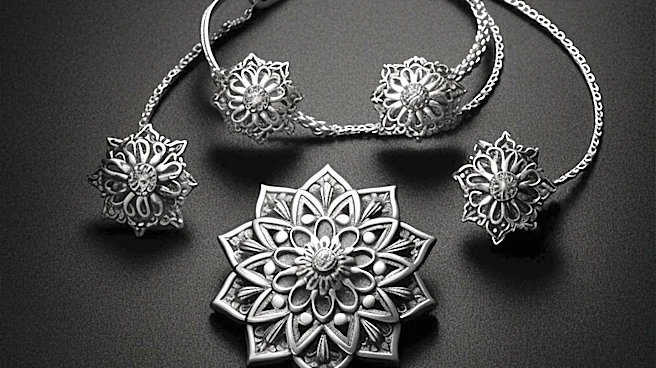
Mandala Jewellery has introduced a new Capsule Collection x Mattia, which emphasizes sustainable and ethically sourced materials. This collection is crafted from recycled 950 platinum and features Nevermined lab-grown diamonds, which are produced in Germany.
The design aesthetic of the collection focuses on clean forms and incorporates a recurring figure-eight motif. This motif is integrated into various pieces, including rings, earrings, necklaces, earcuffs, and bracelets, either through the shape of the jewelry itself, its silhouette, interwoven elements, or by the deliberate placement of eight lab-grown diamonds. The collection aims to offer a fresh perspective on diamond jewelry, highlighting different facets of the wearer's personality. This launch signifies a move towards more environmentally conscious practices within the fine jewelry industry, utilizing advanced manufacturing techniques for diamond creation and recycled precious metals.
Why It's Important?
This launch by Mandala Jewellery is significant for the U.S. market as it reflects a growing consumer demand for sustainable and ethically produced luxury goods. The use of recycled platinum and lab-grown diamonds addresses concerns about environmental impact and ethical sourcing often associated with traditional mining practices. For the jewelry industry, this trend could accelerate the adoption of lab-grown diamonds and recycled metals, potentially shifting supply chains and manufacturing processes. Consumers in the U.S. are increasingly prioritizing transparency and sustainability, and collections like this cater to that evolving preference. This could also influence other luxury brands to explore similar production methods, fostering innovation in material science and design within the sector. The emphasis on German-produced lab-grown diamonds also highlights a move towards regional sourcing and potentially higher quality control standards.
What's Next?
The success of Mandala Jewellery's Capsule Collection x Mattia could pave the way for more widespread adoption of recycled materials and lab-grown diamonds across the U.S. jewelry market. Other brands may observe consumer reception and adjust their own offerings to include similar sustainable options. We might see increased marketing efforts from jewelry companies highlighting their ethical sourcing and environmental commitments. Furthermore, there could be a greater investment in research and development for new sustainable materials and production techniques within the industry. Educational campaigns for consumers about the benefits and characteristics of lab-grown diamonds and recycled metals are also likely to become more prevalent, aiming to build trust and acceptance for these alternatives to traditional mined diamonds and newly extracted metals.
Beyond the Headlines
Beyond the immediate market impact, this collection touches upon broader ethical and environmental considerations within the luxury sector. The use of lab-grown diamonds challenges the traditional perception of rarity and value associated with natural diamonds, potentially democratizing access to diamond jewelry. It also raises questions about the future of diamond mining and its socio-economic implications for communities reliant on the industry. The emphasis on recycled platinum contributes to the circular economy, reducing waste and the need for new resource extraction. This shift could lead to a re-evaluation of what constitutes 'luxury' in the 21st century, moving towards a definition that encompasses sustainability, ethical production, and technological innovation alongside traditional craftsmanship and aesthetic appeal. It signifies a cultural shift where conscious consumption is becoming an integral part of luxury purchasing decisions.