



What's Happening?
September 19 marks several notable events in Boston Celtics history. Sidney Wicks, born in 1949, a UCLA alumnus who won three consecutive championships under John Wooden, was the second overall pick in the 1971 NBA Draft by the Portland Trail Blazers
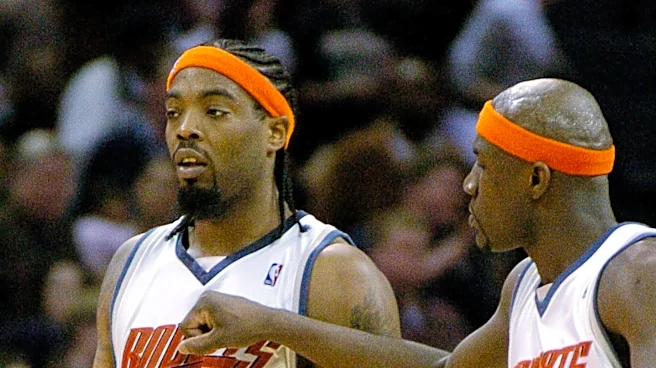
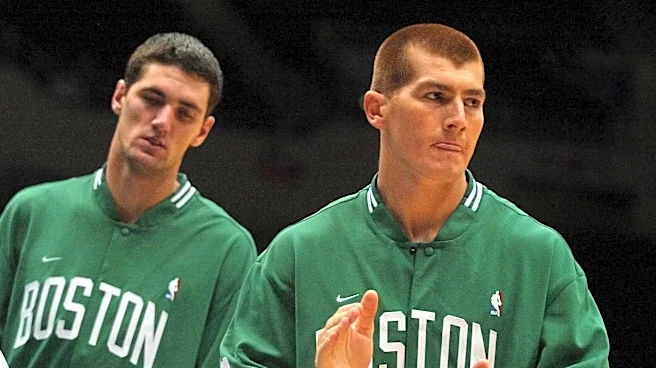
before playing three seasons with the Celtics, averaging 14.2 points, 9.2 rebounds, and 2.1 assists. J.R. Bremer, born in 1980, signed with the Celtics as an undrafted player in 2002, made the All-Rookie Second Team, and played 64 games, averaging 8.3 points, 2.3 rebounds, and 2.6 assists before being traded. Jim Ard, born in 1948, played for the New York Nets in the American Basketball Association (ABA) before joining the Celtics in 1974, contributing to their 1976 NBA Championship with 3.7 points and 3.9 rebounds per game. Additionally, on this date in 1948, Bob Doll signed with the Boston Celtics during the Basketball Association of America (BAA) era, averaging 7.3 points and 2.4 assists in his two seasons with the team.
Why It's Important?
These historical notes are important for understanding the rich legacy and player development within the Boston Celtics franchise and the broader evolution of professional basketball in the United States. The careers of players like Sidney Wicks, J.R. Bremer, and Jim Ard highlight different eras and pathways into the NBA, from high draft picks to undrafted successes and transitions from the ABA. Wicks's collegiate success at UCLA underscores the impact of college basketball powerhouses on professional talent. Ard's journey from the ABA to an NBA championship with the Celtics illustrates the integration and talent exchange between rival leagues. Bob Doll's signing in the BAA era provides a glimpse into the foundational years of what would become the NBA. Collectively, these anniversaries offer insights into player acquisition strategies, team building, and the historical context of the Celtics' enduring success and their role in shaping basketball history.
What's Next?
While these are historical commemorations rather than forward-looking events, the ongoing recognition of such milestones by sports media and team organizations contributes to maintaining fan engagement and preserving the historical narrative of the Boston Celtics. For current players and staff, understanding the team's history can provide context and inspiration. For fans, these historical reflections deepen their connection to the franchise and its storied past. The continued celebration of past players and significant dates ensures that the legacy of the Celtics remains a vibrant part of the team's identity, influencing how current achievements are viewed and how future generations of players are integrated into the team's culture. This historical awareness often plays a role in marketing and fan outreach efforts, reinforcing the team's brand and tradition.
Beyond the Headlines
Beyond the immediate historical facts, these anniversaries reflect the enduring nature of sports narratives and the importance of institutional memory in professional leagues. The careers of these players, spanning different decades and league structures (BAA, ABA, NBA), illustrate the dynamic evolution of professional basketball. The recognition of players like Jim Ard, who transitioned from the ABA, highlights the historical competition and eventual merger of basketball leagues, shaping the modern NBA. The stories of players like J.R. Bremer, an undrafted success, underscore the varied paths to professional achievement and the importance of player development. These historical accounts contribute to the cultural fabric of sports, providing a continuous link between past achievements and present aspirations, and reinforcing the idea that every player, regardless of their entry point, contributes to the team's legacy.