


What's Happening?
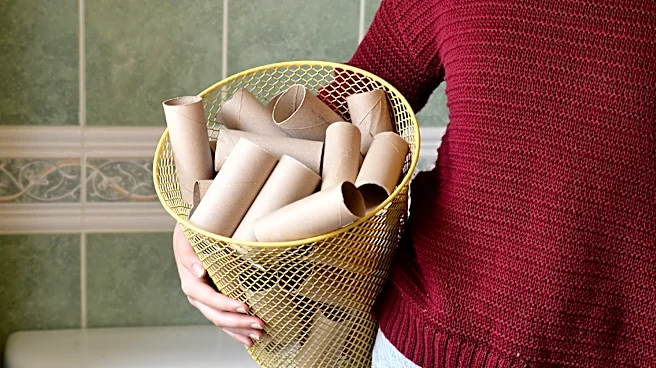
Empty toilet paper tubes, often discarded as waste, are being repurposed as a sustainable and cost-effective mulch for gardens. The average American uses over 80 rolls of toilet paper annually, creating a significant volume of these cardboard tubes. By
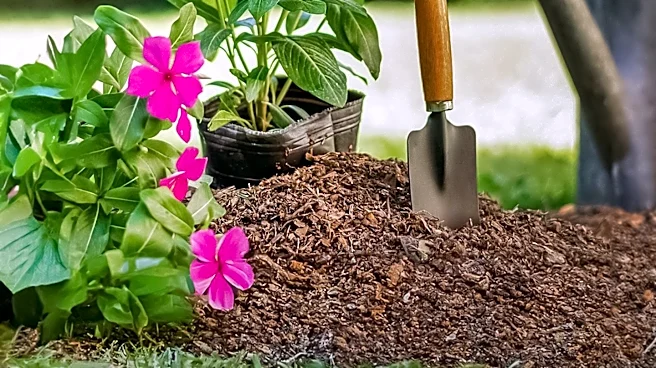
shredding these tubes, gardeners can create a biodegradable mulch that offers several benefits. This shredded cardboard can suppress weeds and help retain soil moisture. As the material breaks down, it releases nutrients back into the soil. While shredding can be done with scissors, paper shredders or wood chippers offer more efficient methods. It is advised to use brown cardboard tubes, as white ones may contain chemical treatments.
Why It's Important?
This innovative use of toilet paper tubes has significant implications for waste reduction and sustainable gardening practices in the U.S. By diverting these common household items from landfills, individuals contribute to a circular economy and reduce their environmental footprint. The practice offers a free alternative to commercially purchased mulch, saving money for gardeners. Furthermore, it promotes soil health by enriching it with organic matter and reducing the need for chemical weed suppressants. This simple DIY solution empowers individuals to take a more active role in environmental stewardship, fostering a greater appreciation for resourcefulness and sustainability in everyday life.
What's Next?
The trend of repurposing household waste for gardening is likely to gain more traction as awareness of environmental issues grows. Homeowners may increasingly seek out creative and sustainable solutions for their gardens. Manufacturers of shredding equipment might see a niche market for smaller, more affordable shredders suitable for home use. Educational content promoting such DIY gardening hacks could become more prevalent, encouraging a broader adoption of these practices. Communities might also explore initiatives to collect and process cardboard waste for gardening purposes, further integrating sustainable practices into local ecosystems.
Beyond the Headlines
This seemingly small act of repurposing toilet paper tubes for mulch touches upon broader themes of consumerism, waste management, and self-sufficiency. It highlights the potential for everyday items to have a second life, challenging the linear 'take-make-dispose' model of consumption. The practice encourages a mindset of resourcefulness and innovation, prompting individuals to look for value in what is typically considered trash. Ethically, it promotes a sense of responsibility towards the environment and fosters a deeper connection to the natural world through gardening. Culturally, it could contribute to a growing movement of 'upcycling' and DIY solutions, influencing how people view and manage their household waste.