




What's Happening?
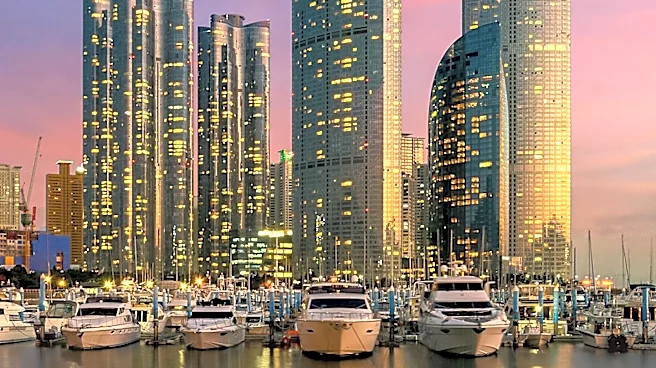
The Busan metropolitan government has announced its strategy to transform into an "international marine business hub." This initiative aims to decentralize South Korea's economic power, which is currently concentrated in the Seoul metropolitan area, and
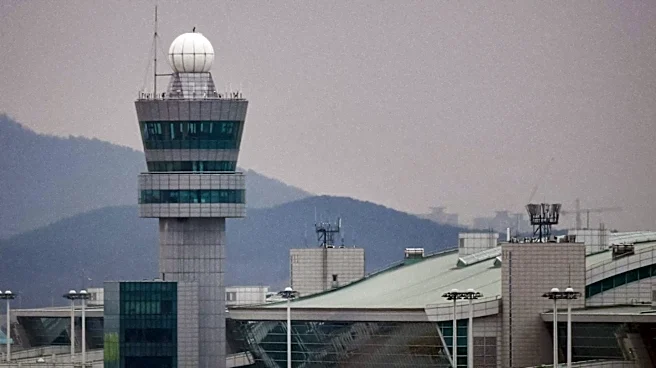
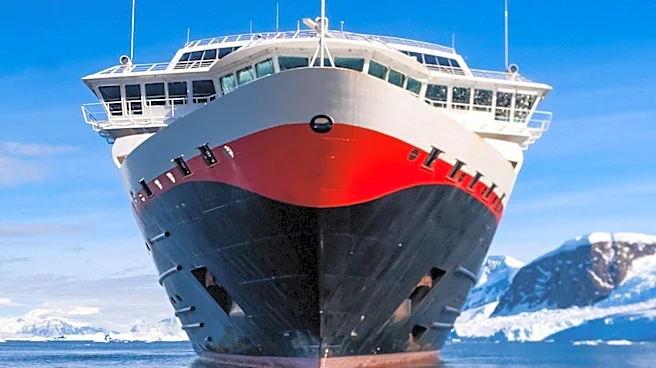
foster a multipolar economic structure for the nation. The plan aligns with the central government's broader objective to develop a "Southern Marine Capital Region." Busan Mayor Jeon Jae-soo presented this strategy at the 10th Central-Local Cooperation Meeting, emphasizing the city's role as a global marine base attracting policy, companies, capital, and talent. The strategy involves creating an environment conducive to corporate relocation and investment, expanding the industrial ecosystem by attracting marine-related companies, and developing Bukhang (North Port) into a mixed-use hub for marine administration, industry, culture, and tourism. This includes adding large-scale venues like a domed arena at Bukhang to foster a new urban base where industry and tourism can grow together. Four foundational elements support this plan: a global marine network, a tri-port system, a finance and talent ecosystem, and the fostering of strategic technologies. The city intends to leverage its port, airport, and rail logistics networks, combined with its financial and talent base, to build an industrial ecosystem that draws companies, capital, and technology.
Why It's Important?
This initiative is significant for South Korea as it seeks to address the long-standing issue of economic over-concentration in the Seoul metropolitan area. By establishing Busan as a major international marine business hub, the government aims to create a new growth axis that can rival the capital region, leading to more balanced national development. The strategy is designed to generate a virtuous cycle where investment and new industries are attracted to Busan, subsequently spreading growth momentum to neighboring regions like Ulsan and Gyeongsangnam Province. This regional development could lead to increased job creation, diversified economic opportunities, and enhanced infrastructure across the southern part of the country. For U.S. businesses and investors, this could open new avenues for engagement in South Korea's marine and related industries, particularly in areas like logistics, trade, and potentially green technologies, as the region aims to specialize in eco-friendly energy. The shift towards a multipolar economic structure within South Korea could also influence broader regional economic dynamics, potentially creating new supply chain opportunities and investment landscapes.
What's Next?
The Busan metropolitan government will proceed with implementing its three core strategies to develop the international marine business hub. This includes offering incentives for corporate relocation and investment, alongside settlement support to attract and retain companies and talent. Efforts will be made to expand the industrial ecosystem by drawing marine-related companies to the region. The development of Bukhang into a mixed-use base, incorporating marine administration, industry, culture, and tourism, will also be a key focus, with plans for large-scale venues like a domed arena. The city will work on strengthening its global marine network, tri-port system, finance and talent ecosystem, and fostering strategic technologies to support the overall plan. The success of this initiative will depend on continued central-local government cooperation and the effective execution of these strategies to attract the necessary policy, companies, capital, and talent to Busan and the broader Southern Marine Capital Region. The goal is to establish a new growth axis that can contribute to balanced national development and a multipolar economic structure for South Korea.
Beyond the Headlines
The Busan initiative reflects a broader global trend towards decentralization and the creation of regional economic powerhouses, moving away from single-city dominance. This strategy could serve as a model for other nations grappling with similar issues of economic imbalance and regional disparities. Beyond the immediate economic benefits, the development of Busan as a marine hub could have significant environmental implications, especially if the focus on eco-friendly energy and sustainable marine practices is prioritized. The integration of culture and tourism into the Bukhang development also suggests a holistic approach to urban planning, aiming to create vibrant, livable cities that attract both businesses and residents. This long-term vision for Busan could foster innovation in marine technologies, logistics, and urban development, potentially influencing international best practices. The emphasis on a 'multipolar structure' for the South Korean economy also hints at a strategic national effort to enhance resilience and distribute economic risks, making the country less vulnerable to localized economic downturns.