






What's Happening?
Fast fashion, characterized by its rapid production of trendy, inexpensive clothing, is silently draining consumers' wallets and contributing significantly to environmental degradation. While initially appealing due to low prices and quick trend cycles,
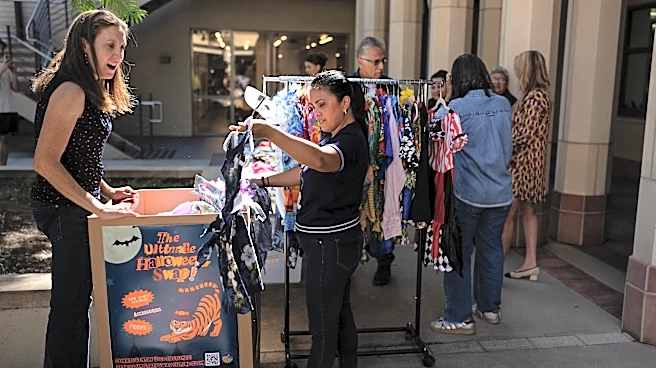
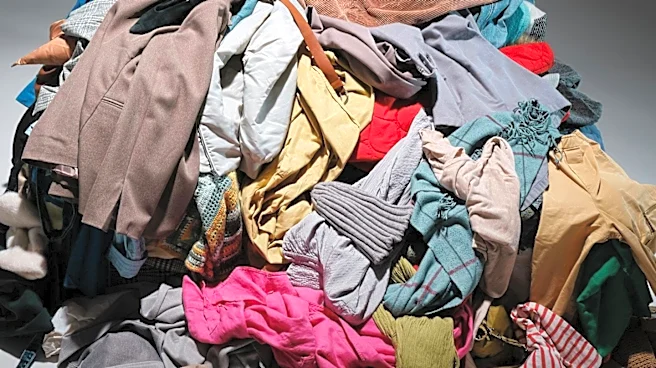
the inherent lack of durability in these garments means they often need frequent replacement, leading to higher long-term spending. The production of fast fashion relies heavily on cheap, synthetic materials like polyester, nylon, and acrylic, which are not biodegradable and accumulate in landfills for hundreds of years. Furthermore, the industry is often criticized for its exploitative labor practices, enabling the extremely low costs of items. Up to 40% of clothing produced annually is never sold, exacerbating the waste problem. Consumers are encouraged to mend clothing, choose durable natural fibers like cotton, hemp, or linen, and explore secondhand options to mitigate these negative impacts.
Why It's Important?
The prevalence of fast fashion has significant implications for U.S. consumers and the environment. Economically, while individual items are cheap, the cumulative cost of frequently replacing low-quality garments can be substantial, impacting household budgets. Environmentally, the massive waste generated by fast fashion contributes to overflowing landfills and pollution, posing a long-term threat to ecosystems and public health. The reliance on non-biodegradable synthetic fibers means that the environmental footprint of these clothes persists for centuries. For U.S. businesses, this trend highlights a growing consumer awareness and demand for sustainable alternatives, potentially shifting market dynamics towards more ethical and environmentally responsible brands. Companies that fail to address these concerns risk losing customers to competitors offering more durable and sustainably produced goods.
What's Next?
As awareness of fast fashion's negative consequences grows, consumers are increasingly seeking alternatives. This trend is likely to drive a greater demand for durable, high-quality clothing made from natural, biodegradable fibers. The secondhand market, including online platforms and thrift stores, is expected to expand as more individuals opt for pre-owned items to reduce waste and save money. There will also be a continued emphasis on education regarding clothing care and mending to extend garment lifespans. Brands that prioritize transparency in their supply chains, use sustainable materials, and adopt ethical labor practices are poised to gain a competitive advantage. Regulatory bodies may also consider policies to address textile waste and promote more sustainable manufacturing practices within the U.S. fashion industry.
Beyond the Headlines
Beyond the immediate economic and environmental concerns, the fast fashion phenomenon raises deeper questions about consumer culture and corporate responsibility. It underscores a societal inclination towards instant gratification and disposability, often at the expense of long-term sustainability. The exploitation of workers in the production process highlights ethical dilemmas within global supply chains, prompting discussions about fair labor practices and human rights. The shift away from fast fashion represents a broader cultural movement towards conscious consumption, where individuals are encouraged to consider the social and environmental impact of their purchases. This evolving mindset could lead to a re-evaluation of value, moving beyond mere price to encompass durability, ethical production, and ecological footprint, thereby fostering a more responsible and sustainable consumer society.