






What's Happening?
Several towns across the United States are actively preserving their Scandinavian heritage, showcasing their roots through distinctive architecture, cultural institutions, and annual festivals. These communities were largely established by immigrants
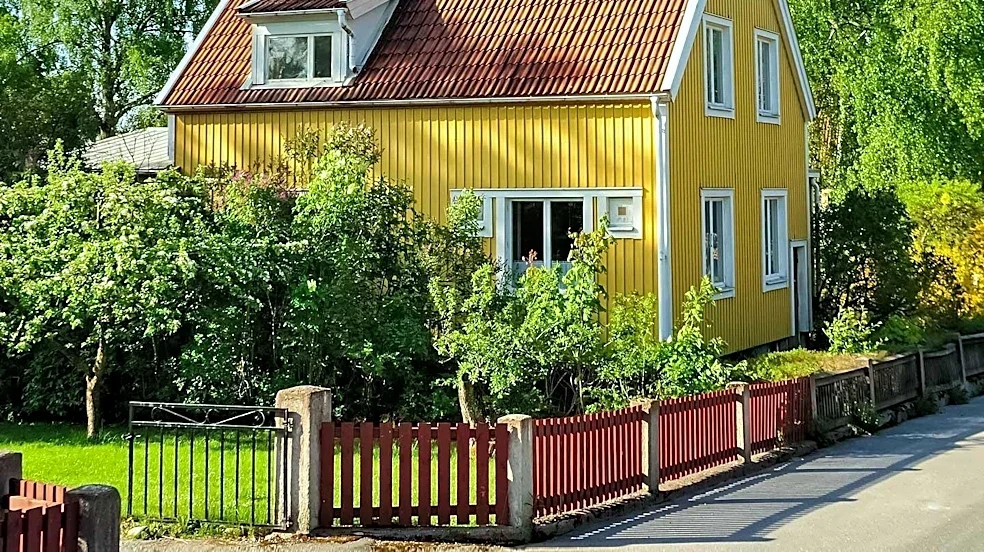
from Sweden, Norway, and Denmark between 1850 and 1920, who sought new opportunities and religious freedom. Examples include Solvang, California, founded in 1911 by Danish-American educators, which features windmills and Danish-style buildings. Poulsbo, Washington, known as 'Little Norway,' celebrates its Norwegian heritage with Scandinavian-inspired storefronts and events like Viking Fest. Elk Horn, Iowa, home to an authentic Danish Windmill from 1848, maintains its Danish identity through the Museum of Danish America. Lindsborg, Kansas, or 'Little Sweden, USA,' is characterized by painted Dala horses and the biennial Svensk Hyllningsfest. Decorah, Iowa, with its Vesterheim, the National Norwegian-American Museum and Folk Art School, preserves Norwegian immigration history and folk art. These towns demonstrate how immigrant communities have shaped the American landscape and cultural identity.
Why It's Important?
The preservation of Scandinavian heritage in these U.S. towns is important for several reasons. It highlights the significant impact of immigration on American culture, demonstrating how diverse communities have contributed to the nation's identity. These towns serve as living museums, offering educational opportunities to understand immigrant experiences, cultural adaptation, and the transmission of traditions across generations. Economically, these unique cultural identities often boost tourism, attracting visitors interested in experiencing a piece of Scandinavia without traveling abroad. Socially, these efforts foster a sense of community and belonging among descendants of the original settlers, reinforcing their cultural pride. The deliberate efforts to maintain these traditions, whether through architectural styles, language, or festivals, underscore the value placed on cultural diversity and the ongoing narrative of America as a melting pot.
What's Next?
The future of these towns likely involves continued efforts to balance cultural preservation with modern development. Many communities will focus on engaging younger generations in their heritage to ensure its longevity. This could include educational programs, digital archives, and contemporary cultural events that appeal to a broader audience. Tourism initiatives will probably continue to be a key strategy for economic sustainability, requiring ongoing investment in infrastructure and marketing. There may also be increased collaboration between these towns and their ancestral countries to strengthen cultural ties and exchange programs. As the demographics of the U.S. continue to evolve, these towns may also explore ways to integrate new residents into their heritage celebrations, fostering a more inclusive understanding of their unique identities within the larger American context.
Beyond the Headlines
Beyond the visible architecture and festivals, the preservation of Scandinavian heritage in these towns reflects deeper themes of identity, memory, and belonging. It speaks to the human need to connect with one's roots and to create a sense of place in a new land. The deliberate choices made by early settlers and their descendants to maintain their cultural distinctiveness, often against pressures to assimilate, highlight the resilience of cultural identity. These towns also serve as a reminder that American culture is not monolithic but a rich tapestry woven from countless immigrant narratives. The challenges faced by these communities, such as maintaining traditional languages or attracting new generations to cultural practices, mirror broader issues of cultural transmission in a globalized world. Ultimately, these towns offer a tangible link to the past, providing insights into the enduring power of heritage in shaping individual and collective identities.