





What's Happening?
UK-based sports streaming platform DAZN is set to acquire EverPass Media, a move aimed at significantly expanding its footprint in the U.S. sports market. The acquisition will grant DAZN access to EverPass's commercial sports network, which distributes
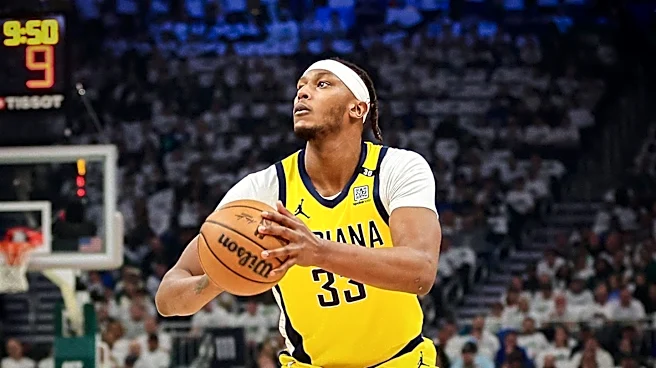
live sports content to venues such as bars, restaurants, and hotels. EverPass Media's portfolio includes major sports properties like the English Premier League, UEFA Champions League, Major League Baseball, the NBA, and crucially, NFL Sunday Ticket. As part of this deal, RedBird Capital Partners, 32 Equity (the NFL's investment arm), and TKO Group Holdings will become minority shareholders in DAZN. The financial terms of the acquisition were not disclosed. This development follows DAZN's recent efforts to bolster its U.S. presence, including securing local media rights deals for New York-area teams like the Knicks and Yankees, becoming the exclusive streaming home for the Indiana Pacers, and a local media rights deal with the Minnesota Timberwolves.
Why It's Important?
This acquisition is strategically important for DAZN as it intensifies its push into the highly competitive U.S. sports broadcasting market. By integrating EverPass Media, DAZN gains a proven commercial distribution platform and established relationships with numerous U.S. venues, which is critical for reaching a broader audience beyond individual subscribers. The inclusion of NFL Sunday Ticket, a highly sought-after sports package, significantly enhances DAZN's content offering and appeal to commercial establishments. For RedBird Capital Partners, 32 Equity, and TKO Group Holdings, becoming minority shareholders in DAZN indicates a strategic alignment and investment in the future of sports streaming and commercial distribution. This deal could reshape how live sports content is consumed in commercial settings across the U.S., potentially increasing accessibility and viewership for various leagues and events. It also signals a growing trend of consolidation and strategic partnerships within the sports media landscape, as companies vie for market share and exclusive content rights.
What's Next?
Following the acquisition, DAZN is expected to integrate EverPass Media's operations and leverage its commercial distribution network to expand its reach across U.S. venues. This will likely involve enhancing the existing platform and potentially introducing new features or content packages tailored for commercial establishments. The involvement of RedBird Capital Partners, 32 Equity, and TKO Group Holdings as minority shareholders suggests a collaborative effort to further develop DAZN's U.S. strategy and potentially explore additional content acquisitions or partnerships. The deal could also lead to increased competition in the commercial sports distribution sector, prompting other media companies to re-evaluate their strategies for reaching bars, restaurants, and hotels. DAZN's continued expansion in the U.S. market will be closely watched by sports leagues, content providers, and competitors, as it could influence future media rights negotiations and distribution models.
Beyond the Headlines
The acquisition of EverPass Media by DAZN highlights a broader shift in sports media consumption, moving beyond traditional cable and individual streaming subscriptions to encompass commercial venues as a significant revenue stream. This strategy acknowledges the communal aspect of sports viewing, particularly for major events, and aims to capitalize on the demand for live sports in public settings. The involvement of 32 Equity, the NFL's investment arm, underscores the league's interest in diversifying its distribution channels and maximizing the reach of its content, especially for out-of-market games. This trend could lead to more sophisticated and tailored content delivery systems for commercial clients, potentially offering enhanced viewing experiences and interactive features. Furthermore, the deal reflects the increasing value placed on exclusive content rights and the strategic importance of controlling distribution networks in a fragmented media landscape. It also raises questions about the long-term implications for traditional sports broadcasters and the evolving business models for sports content delivery.