







What's Happening?
The sports compression wear market is characterized by a clear division between broad-line athletic giants and specialized technical innovators. Companies like Nike, Adidas, Under Armour, and Li-Ning leverage their extensive apparel ecosystems and global
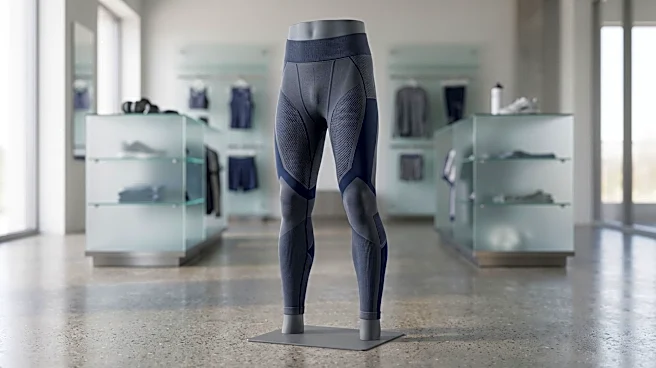
distribution networks. Nike and Under Armour are particularly strong in North America, Adidas in Europe, and Li-Ning in China. In contrast, specialists such as CW-X, 2XU, CEP (medi), SKINS, X-Bionic, Goldwin, Compressport, and Zensah focus on technical compression engineering for performance, recovery, and endurance. These specialists, including CW-X and Zensah in the United States, often target niche markets like runners, triathletes, and endurance athletes, rather than mass-market consumers. The effectiveness of compression garments relies heavily on fabric engineering and graduated-zone knitting capabilities, ensuring precise pressure mapping across muscle groups.
Why It's Important?
The distinction between broad-line and specialist manufacturers highlights varying approaches to product development and market penetration within the U.S. sports apparel industry. Broad-line companies benefit from brand recognition and existing distribution channels, allowing them to integrate compression wear as part of a wider product offering. This can lead to greater accessibility for general consumers. Conversely, specialist brands, by focusing on technical innovation and precise engineering, cater to athletes seeking specific performance and recovery benefits. Their emphasis on features like consistent quality control, technical fabric innovation, and reliable sizing accuracy is crucial for athletes who depend on these garments for injury prevention and enhanced performance. The success of these companies influences manufacturing standards and consumer expectations for athletic wear in the U.S.
What's Next?
The sports compression wear market is likely to see continued innovation in fabric technology and design, driven by both broad-line and specialist manufacturers. As consumer awareness of performance and recovery benefits grows, demand for technically advanced compression wear is expected to increase. Manufacturers will likely invest further in research and development to improve moisture management, elasticity retention, and precise pressure mapping. The competition between global giants and niche specialists may lead to more refined product segmentation, with broad-line brands potentially incorporating more advanced features from specialists, and specialists expanding their reach through strategic partnerships or broader marketing efforts. This could result in a wider array of choices for U.S. consumers, tailored to various athletic needs and preferences.
Beyond the Headlines
The evolution of sports compression wear reflects a broader trend in the athletic industry towards data-driven design and personalized performance enhancement. The emphasis on 'graduated-zone knitting capability' and 'precise pressure mapping' underscores a scientific approach to apparel, moving beyond simple aesthetics to functional biomechanical support. This trend raises questions about the future of athletic wear, where clothing could become an integral part of an athlete's training and recovery regimen, potentially blurring the lines between apparel and medical devices. Ethical considerations regarding performance claims and the accessibility of advanced technologies to all athletes may also become more prominent. The continuous pursuit of comfort, fit, and style, alongside performance, indicates a holistic view of athletic well-being.