








What's Happening?
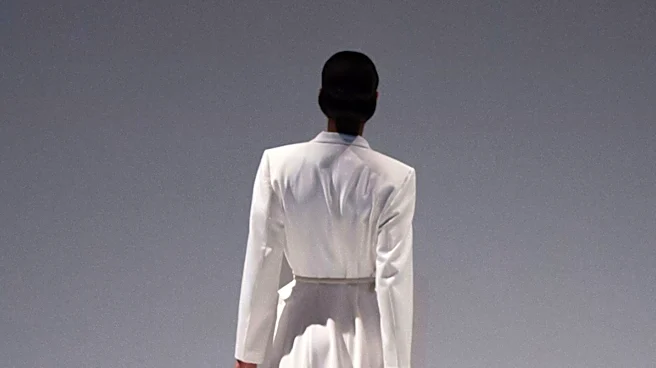
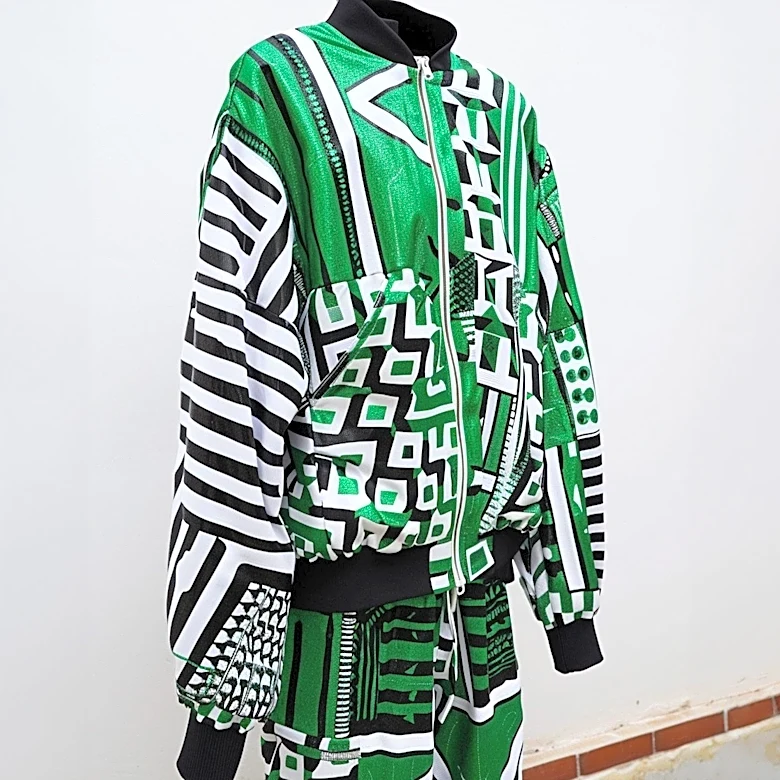
Luca Magliano has presented his Spring 2027 menswear collection, drawing inspiration from the 1970s and incorporating elements of Y2K fashion. The collection was showcased at the renowned club and restaurant Maxim’s, featuring a blend of classic menswear with
a queer perspective and a sense of irony. Magliano's designs include kitschy floral-print knits, plaid cotton suits, and collaborations with brands like Diadora and Carrera. The collection also features unique styling elements, such as a pale pink polo with a second collar and a suit jacket with shortened sleeves. The presentation at Maxim’s added a debaucherous quality to the collection, with models embodying a sleazy, lounge lizard aesthetic.
Why It's Important?
Magliano's Spring 2027 collection highlights the ongoing trend of blending nostalgia with modern fashion sensibilities. By referencing the 1970s and Y2K, Magliano taps into a cultural moment where past styles are being reimagined for contemporary audiences. This approach not only appeals to fashion enthusiasts who appreciate vintage aesthetics but also challenges traditional menswear norms by incorporating queer perspectives. The collection's unique styling and collaborations with established brands like Diadora and Carrera demonstrate the potential for cross-industry partnerships to enhance fashion offerings. This could influence other designers to explore similar collaborations, potentially reshaping the menswear landscape.
What's Next?
Following the presentation of the Spring 2027 collection, Magliano may continue to explore the intersection of nostalgia and modernity in future designs. The positive reception of this collection could encourage further collaborations with other brands, expanding Magliano's influence in the fashion industry. Additionally, the collection's emphasis on queer perspectives may inspire other designers to incorporate more diverse viewpoints in their work, potentially leading to a broader acceptance of non-traditional menswear styles. As fashion weeks continue to evolve, Magliano's approach could set a precedent for future collections that blend historical references with contemporary themes.