

What's Happening?
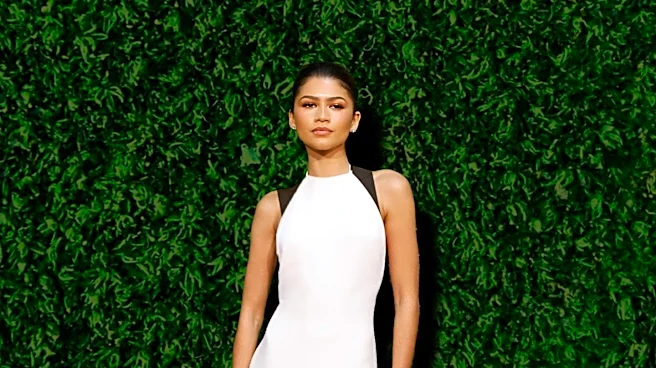
Law Roach, Zendaya's longtime stylist and friend, has addressed ongoing speculation and AI-generated images regarding Zendaya's rumored wedding dress. During an interview with comedian Ziwe Fumudoh, Roach was asked to describe the dress in three words,
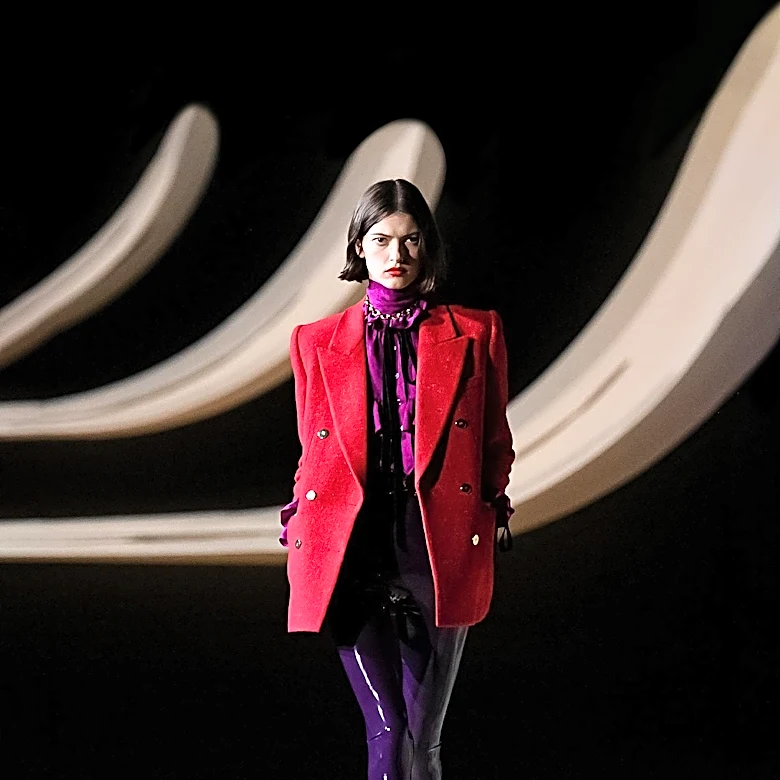
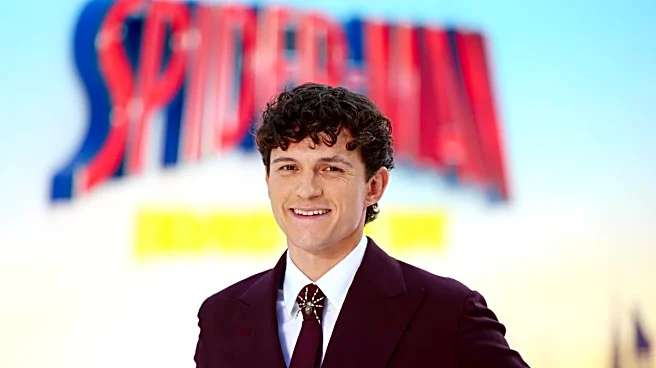
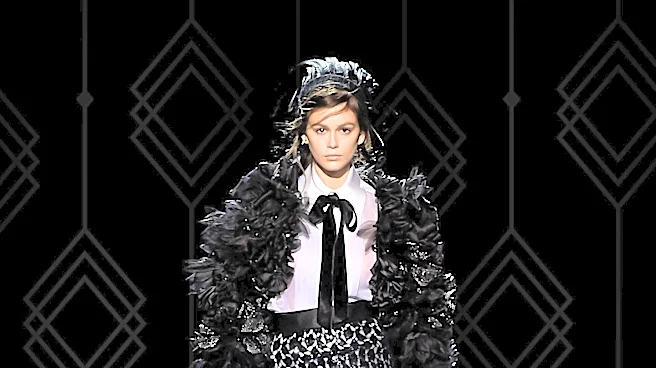
to which he responded, "Better than AI." This statement follows earlier comments from Roach in June, where he told 'Good Morning America' co-anchor Lara Spencer that AI-generated imagery of the dress was not accurate and that "That dress was not good enough." Rumors about Zendaya's nuptials with Tom Holland began in March when Roach seemingly confirmed a wedding had already occurred, and again in June when Holland responded to questions about AI-generated images of a ceremony. Roach also reiterated his stance that Zendaya will not wear designs from luxury fashion houses like Saint Laurent, Gucci, Chanel, Valentino, or Dior on red carpets, due to their refusal to dress her early in her career.
Why It's Important?
This story highlights the growing impact of artificial intelligence on public perception and celebrity culture, particularly concerning personal events like weddings. The proliferation of AI-generated images creates a challenge for public figures and their teams to manage narratives and maintain control over their personal lives. Law Roach's direct dismissal of these AI images underscores the importance of authenticity in an era where digital fabrications can easily mislead the public. Furthermore, Roach's continued boycott of certain luxury brands for Zendaya, despite his personal growth, reflects a significant power shift in the fashion industry. It demonstrates how celebrity influence can dictate brand visibility and market trends, emphasizing the long-term consequences for brands that overlook emerging talent. This stance also champions the idea of loyalty and remembering past slights, which resonates with many consumers and industry professionals.
What's Next?
The ongoing discussion around Zendaya's rumored wedding and the use of AI-generated imagery will likely continue to fuel public interest and media speculation. Law Roach's firm stance against certain luxury brands may prompt other stylists and celebrities to re-evaluate their relationships with fashion houses, potentially leading to shifts in brand endorsements and red-carpet choices. As AI technology advances, celebrities and their public relations teams will need to develop more sophisticated strategies to combat misinformation and protect their privacy. This situation could also encourage a broader conversation within the entertainment and fashion industries about the ethical implications of AI and the importance of verifying information in the digital age. Future public appearances by Zendaya will undoubtedly be scrutinized for any hints regarding her personal life and fashion choices.
Beyond the Headlines
Beyond the immediate news, this situation touches upon deeper themes of authenticity, control, and the evolving relationship between celebrities, media, and technology. The ease with which AI can create convincing but false images raises questions about media literacy and the critical consumption of information. For celebrities, it represents a new frontier in managing their public image, where the line between reality and digital fabrication becomes increasingly blurred. Law Roach's decision to hold luxury brands accountable for their past actions also speaks to the broader issue of inclusivity and opportunity within the fashion industry. It highlights how early career decisions by major brands can have lasting repercussions, influencing who gets access to high-profile platforms and ultimately shaping cultural narratives around beauty and style. This narrative reinforces the idea that power dynamics in industries are constantly shifting, and past actions can have long-term consequences.