




What's Happening?
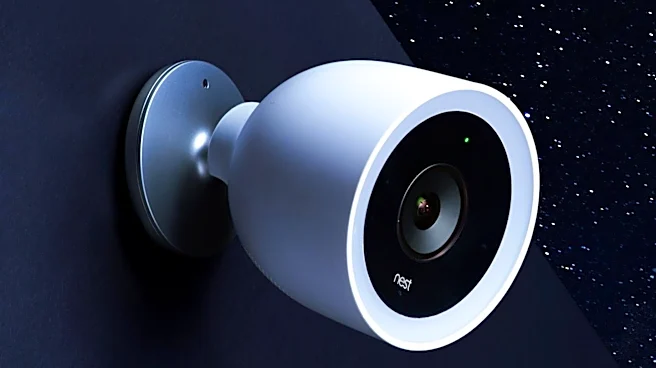
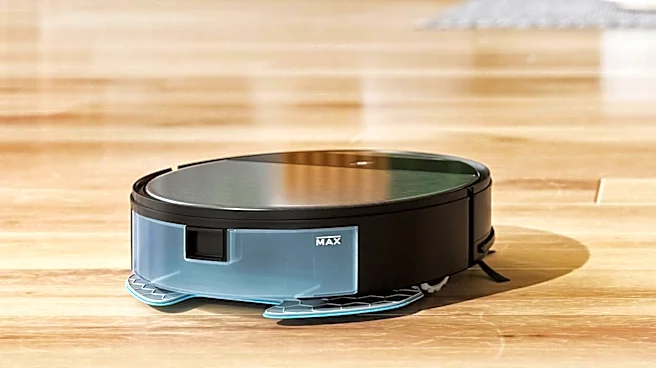
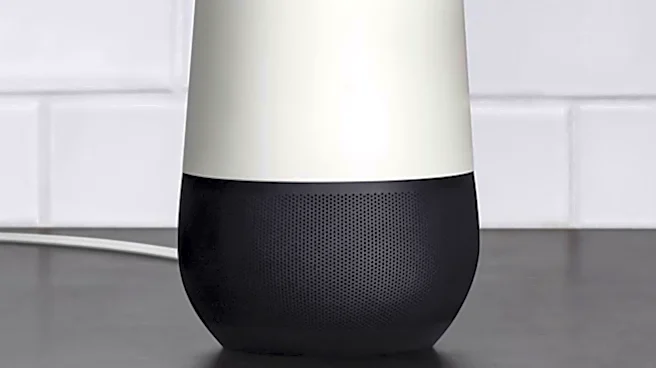
Consumer Reports (CR) has issued a warning regarding the privacy risks associated with internet-enabled smart home appliances. While these devices offer convenience, they can also expose personal data, including location, contact information, and even
video feeds, to potential cybersecurity threats. Steve Blair, a data privacy expert at Consumer Reports, highlighted that much of this data leaves the home not only from phones but also directly from the devices themselves. CR previously identified a vulnerability in a smart doorbell in 2024 that exposed video feeds to hackers, leading to product recalls and fines for the manufacturer. Even data users consent to share can be sold to advertisers or third-party providers, or stolen in data breaches. To mitigate these risks, CR advises users to install firmware updates, keep smart home appliances on a separate Wi-Fi network from computers and phones, review privacy settings to limit shared information, and prioritize data security when purchasing new devices.
Why It's Important?
The proliferation of smart home devices in U.S. households presents a growing challenge to personal privacy and cybersecurity. As more appliances become internet-connected, the potential for data exploitation and security breaches expands, impacting millions of consumers. The findings from Consumer Reports underscore the need for greater awareness among the public about the hidden risks associated with convenience technology. This issue affects not only individual privacy but also national cybersecurity, as vulnerabilities in smart home ecosystems could potentially be exploited for broader attacks. The advice to use separate Wi-Fi networks and scrutinize privacy settings highlights a critical gap in consumer understanding and device design, where ease of use often overshadows robust security measures. This situation also puts pressure on manufacturers to prioritize security and transparency in their product development and data handling practices.
What's Next?
Consumers are encouraged to adopt the recommended security practices to protect their data. This includes regularly updating device firmware, segmenting home networks, and being more discerning about the data they allow smart devices to access. Manufacturers of smart home appliances will likely face increasing pressure from consumer advocacy groups and potentially regulators to enhance data security features and provide clearer privacy policies. There may be a growing market for more secure and privacy-focused smart home devices, even if they come at a higher cost. Additionally, educational campaigns aimed at improving digital literacy and cybersecurity awareness among the general public will become increasingly vital to empower users to make informed decisions about their smart home ecosystems. The potential for future regulations addressing smart device security and data privacy could also emerge.
Beyond the Headlines
The 'smart home spying' phenomenon reflects a broader societal tension between technological convenience and personal privacy. As AI and IoT devices become more integrated into daily life, the lines between public and private data blur, raising fundamental questions about digital rights and ownership of personal information. The issue extends beyond individual households to the concept of a 'smart city,' where interconnected devices could collect vast amounts of data, posing new challenges for governance and civil liberties. The advice to limit data sharing to only what is necessary for a device's function highlights a critical ethical dilemma for tech companies: how much data collection is truly essential versus how much is driven by commercial interests. This ongoing debate will shape future technological development and regulatory landscapes, influencing how society balances innovation with the protection of individual freedoms.