







What's Happening?
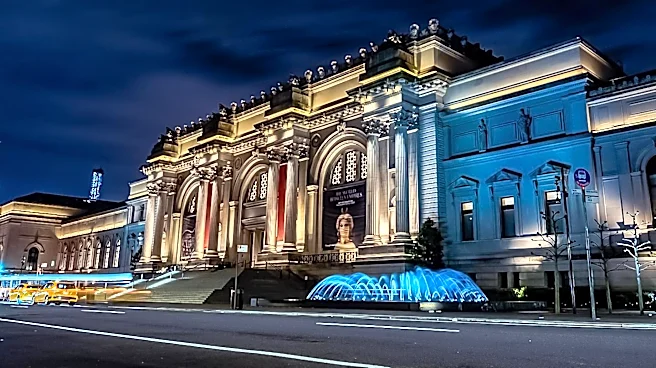
The Jewish Museum in New York is hosting an exhibition titled 'Modernity and Opulence: Women of the Wiener Werkstätte,' which runs through November 15, 2026. This exhibition focuses on the significant yet historically overlooked contributions of Jewish women
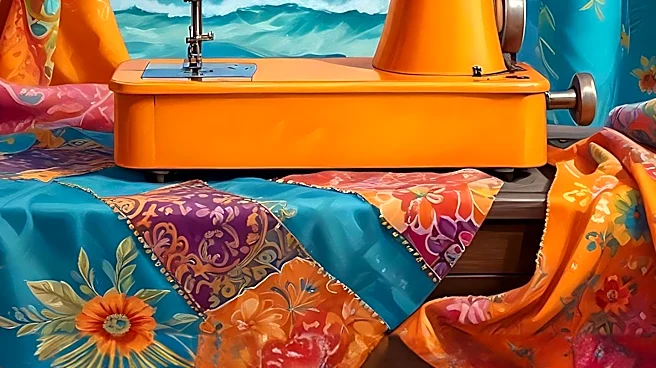
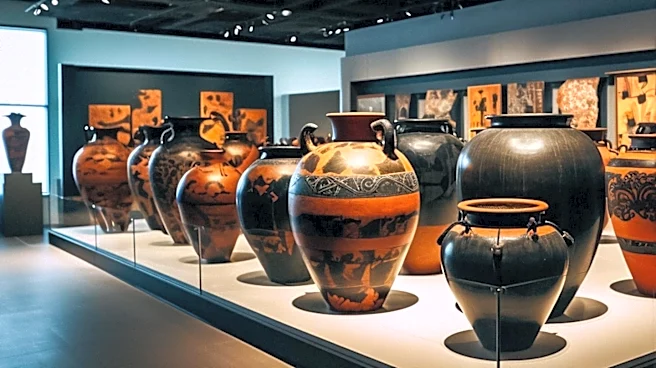
to the Wiener Werkstätte, a Viennese design collective active from 1903 to 1932. The Wiener Werkstätte was known for its integration of art and life, a concept known as gesamtkunstwerk. The exhibition showcases over 200 objects created by 30 Jewish women artists, highlighting their influence on modernist design through various media, including fashion, ceramics, graphic design, and decorative arts. Notable artists featured include Vally Wieselthier and Felice Rix-Ueno, who were prominent in ceramics and textile design, respectively.
Why It's Important?
This exhibition is significant as it sheds light on the contributions of Jewish women to the modernist movement, a narrative often dominated by male figures. By highlighting these women's roles as artists, designers, and patrons, the exhibition challenges traditional art-historical narratives and emphasizes the diversity within the modernist movement. The recognition of these contributions not only enriches the understanding of modernist design but also acknowledges the broader cultural and artistic impact of Jewish women in early 20th-century Vienna and beyond. This exhibition also serves as a reminder of the importance of inclusivity and diversity in historical narratives, offering a more comprehensive view of artistic developments.
What's Next?
The exhibition is expected to attract art historians, students, and the general public interested in modernist design and Jewish cultural contributions. It may inspire further research and exhibitions focused on underrepresented groups in art history. Additionally, the exhibition could influence contemporary design by encouraging a reevaluation of the contributions of women and minority groups in shaping artistic movements. The Jewish Museum's commitment to presenting such exhibitions may lead to more institutions exploring similar themes, promoting a more inclusive approach to art history.