








What's Happening?
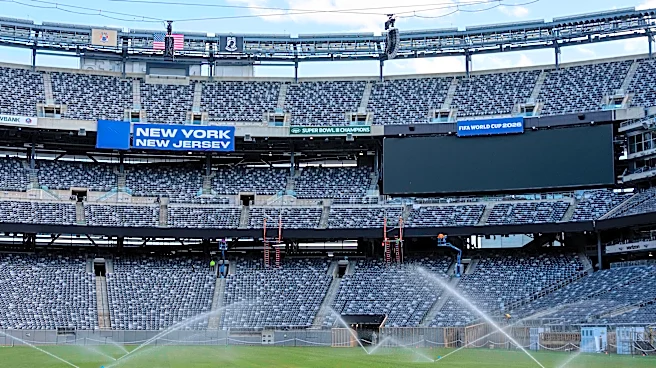
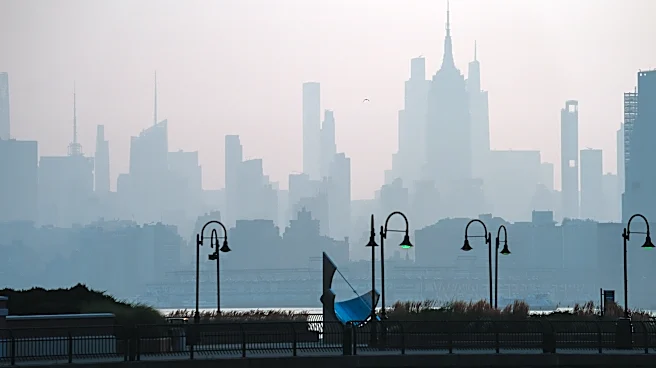
The FIFA World Cup 2026, hosted in the United States, is facing significant challenges due to extreme heat conditions. The tournament, including the final match at MetLife Stadium in New Jersey, has been affected by a series of heatwaves, with temperatures
reaching levels that necessitate enhanced cooling measures. According to Mark Sait, CEO of SaveMoneyCutCarbon, the current stadium infrastructure is not adequately equipped to handle such high temperatures, which have been exacerbated by climate change. The heat has sparked discussions about the need for retrofitting stadiums to improve their energy efficiency and reduce reliance on air conditioning, which contributes to global warming.
Why It's Important?
The extreme heat conditions during the World Cup highlight the urgent need for climate adaptation in sports infrastructure. As global temperatures rise, the safety and comfort of players and fans are increasingly at risk. The reliance on air conditioning as a solution is problematic due to its environmental impact, including the urban heat island effect and greenhouse gas emissions. This situation underscores the importance of sustainable practices, such as retrofitting stadiums with energy-efficient technologies, to mitigate the effects of climate change. The outcome of these discussions could influence future international sporting events and their approach to climate resilience.
What's Next?
In response to the heat challenges, there are calls for FIFA and host nations to consider climate-focused scheduling and stadium selection. This includes potentially moving matches to cooler locations or rescheduling them to cooler times of the day. Additionally, there is a push for stadium owners to invest in retrofitting measures, such as cool roofs and solar control glazing, to enhance energy efficiency and reduce heat absorption. These steps are seen as crucial for ensuring the safety and comfort of all participants in future tournaments.
Beyond the Headlines
The situation with the World Cup stadiums reflects broader societal challenges in adapting to climate change. It raises questions about the sustainability of current infrastructure and the need for comprehensive climate adaptation strategies across various sectors. The discussions around retrofitting and energy efficiency could set a precedent for other industries facing similar challenges, emphasizing the importance of proactive measures in addressing climate impacts.