



What's Happening?
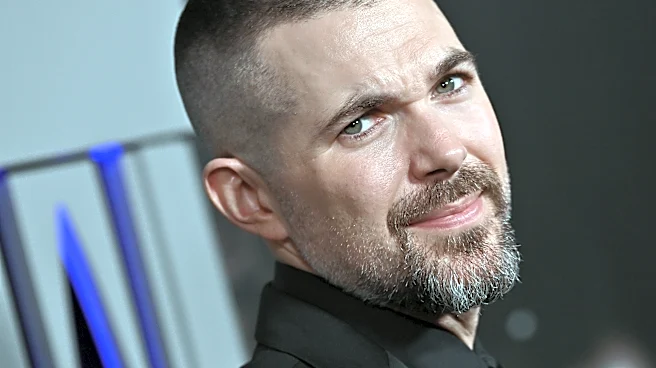
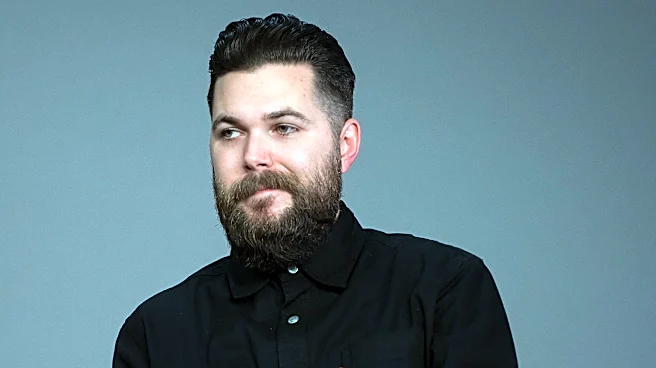
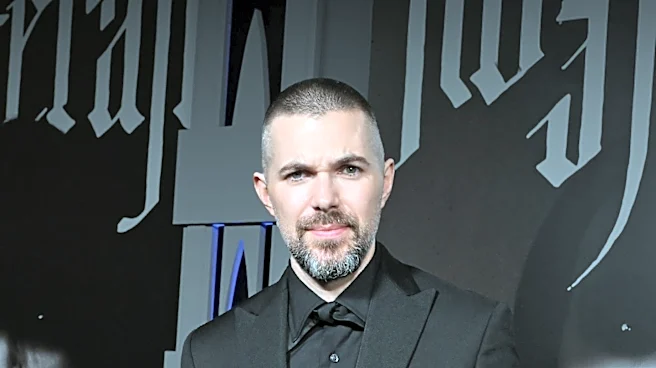
Filmmaker Robert Eggers has indicated his intention to take a hiatus from directing horror films following the release of his upcoming movie, 'Werwulf.' After more than five years dedicated to the genre, Eggers stated during a recent Q&A in Mexico that
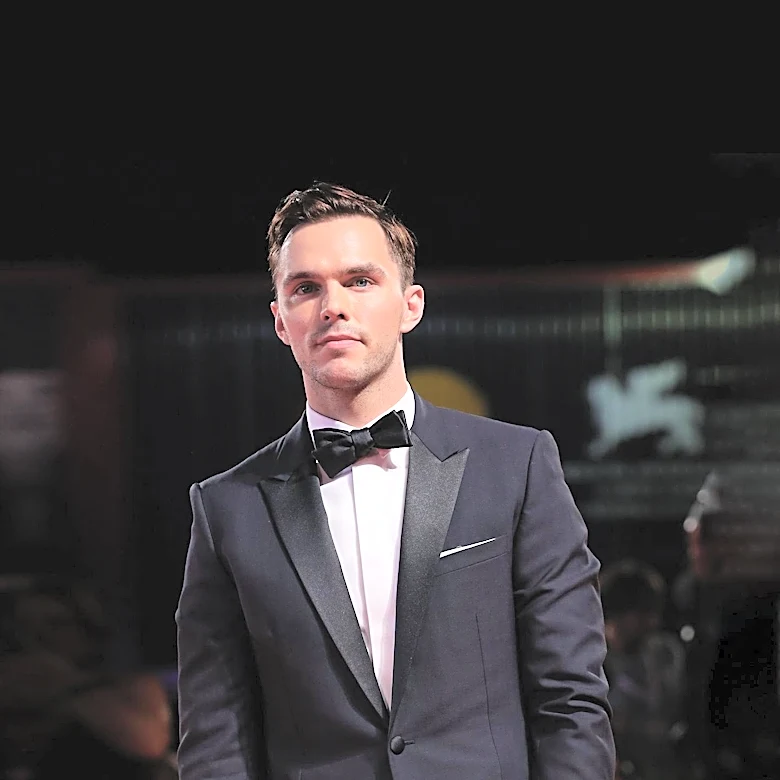
he is 'eager not to continue purposely doing Robert Eggers’ House of Horror.' His filmography includes notable horror titles such as 'The Witch' (2015), 'The Lighthouse' (2019), and 'Nosferatu' (2024). 'Werwulf,' starring Aaron Taylor-Johnson, Lily-Rose Depp, and Willem Dafoe, is set in 14th-century England and centers on a town terrorized by a beast. Eggers clarified that while he might revisit horror in the future, he feels a current need for a break. His next project is an adaptation of William Shakespeare’s 'Romeo and Juliet' for Focus Features.
Why It's Important?
Robert Eggers' decision to step away from the horror genre, even temporarily, marks a significant moment for a filmmaker widely recognized as a modern icon within it. His unique style and critical success have contributed to the genre's recent resurgence and evolution, particularly in what some term 'elevated horror.' This move could signal a broader trend among acclaimed directors to explore diverse storytelling avenues, potentially enriching other genres with their distinct artistic visions. For the horror genre itself, it might open space for new voices or encourage existing filmmakers to innovate further. Eggers' shift to a classic like 'Romeo and Juliet' demonstrates his versatility and could attract a different audience to his work, while also bringing his distinctive directorial approach to a well-known narrative, potentially offering a fresh perspective on the classic play.
What's Next?
Following 'Werwulf,' Robert Eggers will direct an adaptation of William Shakespeare’s 'Romeo and Juliet' for Focus Features, marking a distinct departure from his previous horror-centric projects. This shift will likely be met with anticipation from both his existing fanbase and new audiences interested in his interpretation of a classic. The reception of 'Romeo and Juliet' will be crucial in shaping perceptions of his versatility as a director beyond the horror genre. Depending on the success and critical acclaim of his non-horror work, Eggers may continue to explore diverse genres or eventually return to horror with a refreshed perspective. His comments also contribute to the ongoing discussion about 'elevated horror' and how filmmakers navigate genre expectations versus personal artistic expression.
Beyond the Headlines
Eggers' desire for a break from horror touches upon the psychological and creative demands of working within a genre that often explores dark and intense themes. His comment about writing another horror movie that 'got so dark again' suggests a personal toll that can come with immersing oneself in such material. This highlights the often-unseen emotional labor involved in filmmaking, particularly in genres that delve into the macabre or disturbing. His move to 'Romeo and Juliet' could be seen as a deliberate artistic pivot towards exploring different facets of human experience, perhaps seeking a different kind of emotional engagement. This also raises questions about the sustainability of intense creative output within a single genre and the need for artists to diversify their work for personal and creative rejuvenation, potentially influencing other filmmakers to consider similar shifts in their careers.