




What's Happening?
Coty, a prominent beauty company, has announced a 40-year extension of its licensing agreement with WHP Global and G-III Apparel Group for the Marc Jacobs brand. This extended partnership solidifies Coty's role in producing and distributing Marc Jacobs fragrances,
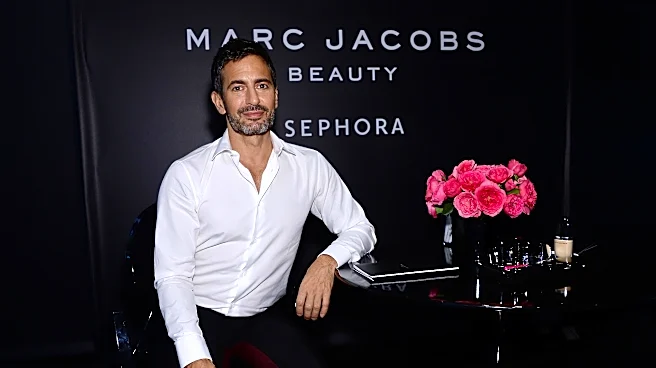
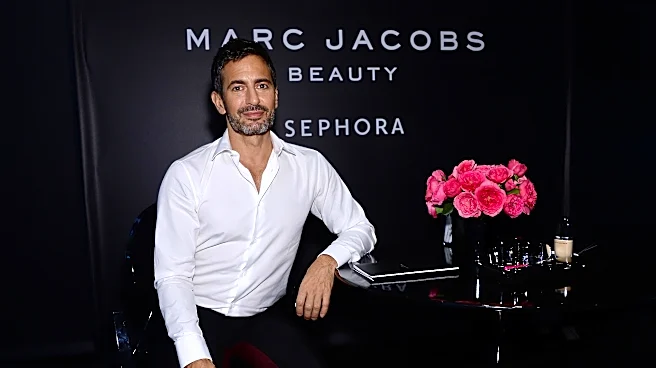
a collaboration that began in 2003 with popular scents like Daisy and Perfect. The beauty company recently relaunched Marc Jacobs Beauty in hundreds of Sephora stores, reporting that retail sales for the line are already surpassing initial targets. This long-term agreement is set to enable Coty to broaden the reach of Marc Jacobs Beauty into new international markets and expand its product offerings into additional makeup categories. The Marc Jacobs brand, founded in New York City in 1984 by designer Marc Jacobs and Robert Duffy, is known for its distinctive and often rebellious style, encompassing a wide range of fashion products.
Why It's Important?
This 40-year license extension is a significant development for Coty, ensuring a stable and long-term revenue stream from a globally recognized luxury brand. For Marc Jacobs, it guarantees continued investment and expansion in its beauty segment, which is crucial for brand visibility and market penetration. The beauty industry is highly competitive, and securing such a lengthy agreement for a successful brand like Marc Jacobs provides Coty with a strong competitive advantage and predictability in its portfolio. The reported exceeding sales targets post-relaunch indicate a robust consumer demand for Marc Jacobs Beauty products, suggesting that this extension will likely lead to increased market share and profitability for Coty. Furthermore, the planned expansion into new markets and makeup categories could introduce the brand to a wider demographic, reinforcing its position in the global beauty landscape and potentially influencing beauty trends.
What's Next?
Following this extended agreement, Coty is expected to accelerate its plans for international expansion of Marc Jacobs Beauty. This will likely involve strategic marketing campaigns and distribution partnerships to introduce the brand to new consumer bases. Additionally, consumers can anticipate the launch of new makeup categories under the Marc Jacobs Beauty umbrella, diversifying the product range beyond its established fragrances. The success of the recent Sephora relaunch suggests that Coty will continue to leverage strong retail partnerships to maximize product accessibility. The long-term nature of the license also implies sustained research and development efforts to innovate within the beauty sector, potentially leading to new product formulations and trends. Both Coty and Marc Jacobs will likely focus on maintaining the brand's unique identity while adapting to evolving consumer preferences in the beauty market.
Beyond the Headlines
The extended partnership between Coty and Marc Jacobs highlights a broader trend in the fashion and beauty industries: the increasing importance of long-term licensing agreements for brand stability and growth. For luxury fashion houses, beauty licenses provide a significant source of revenue and brand exposure, often making high-end brands more accessible to a wider consumer base through more affordable beauty products. This strategy allows fashion brands to maintain their exclusivity in apparel while capitalizing on the mass-market appeal of cosmetics and fragrances. The 40-year duration of this agreement underscores a deep level of trust and mutual benefit between the licensor and licensee, suggesting a highly successful and symbiotic relationship. It also reflects the enduring power of established brand names in a rapidly changing consumer market, where heritage and recognition can translate into sustained commercial success.