





What's Happening?
SpaceX, through its Starlink division, is reportedly pursuing access to at least 80,000 cell sites across the United States, signaling a significant move to become a major wireless carrier. This initiative aims to directly compete with established providers
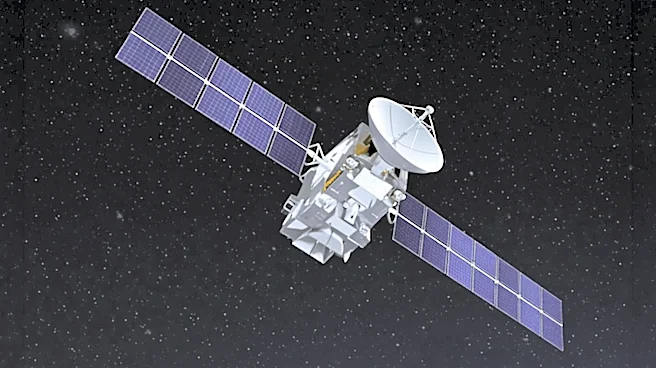
like Verizon, AT&T, and T-Mobile. Discussions are reportedly underway with major cellular infrastructure companies, including Crown Castle, which operates approximately 40,000 cell towers nationwide. Crown Castle CEO Chris Hillabrant confirmed that the company is in talks with "all parties" regarding leasing opportunities, though he did not specify SpaceX. This strategy involves combining Starlink's satellite connectivity with ground-based cellular networks to offer more comprehensive and reliable service, particularly in areas where satellite-only connections might struggle, such as inside buildings or in obstructed locations. SpaceX has also acquired 800 MHz wireless spectrum from Grain Management, pending FCC approval, and received FCC authorization for a new constellation of up to 15,000 direct-to-device satellites.
Why It's Important?
This potential entry by Starlink into the U.S. wireless market could introduce substantial competition, potentially leading to more options and better deals for consumers. The current market is dominated by three major carriers, and a new entrant with a hybrid satellite-ground network could disrupt pricing and coverage models. For consumers, this could mean improved service in rural or underserved areas where traditional cellular infrastructure is sparse. The move has already impacted financial markets, with shares of major wireless companies reportedly falling and cellular infrastructure companies seeing their shares rise following news of SpaceX's negotiations. This highlights the significant economic implications and the potential for a shift in investment and market share within the telecommunications sector. The combination of satellite and terrestrial networks could set a new standard for connectivity, pushing existing carriers to innovate and expand their own services.
What's Next?
SpaceX has not yet announced a confirmed launch date for a fully independent nationwide cellphone service. The company anticipates deploying its next-generation Starlink Mobile satellites in 2027. However, building a terrestrial cellular network requires securing suitable tower locations, installing equipment, and navigating regulatory approvals, such as the pending FCC review of its spectrum acquisition. The expansion of coverage across the country is expected to be a lengthy process. While SpaceX currently partners with T-Mobile for its T-Satellite with Starlink service, the company's long-term goal appears to be establishing a standalone nationwide carrier. The real test will be when Starlink Mobile reveals its pricing and coverage plans, which will determine its ability to attract customers and challenge the incumbent providers.
Beyond the Headlines
The ambition of Starlink to become a major U.S. wireless carrier extends beyond mere competition; it represents a fundamental shift in how telecommunications infrastructure is conceived and deployed. By integrating satellite and ground-based networks, SpaceX is addressing the limitations of both traditional cellular and satellite-only services. This hybrid approach could redefine expectations for universal connectivity, particularly in a country with vast geographical diversity. The ethical and policy implications include ensuring equitable access to this new technology, managing potential spectrum congestion, and addressing the digital divide. Furthermore, the long-term success of this venture could influence future regulatory frameworks for integrated space-terrestrial communication systems, potentially setting precedents for global telecommunications development.