


What's Happening?
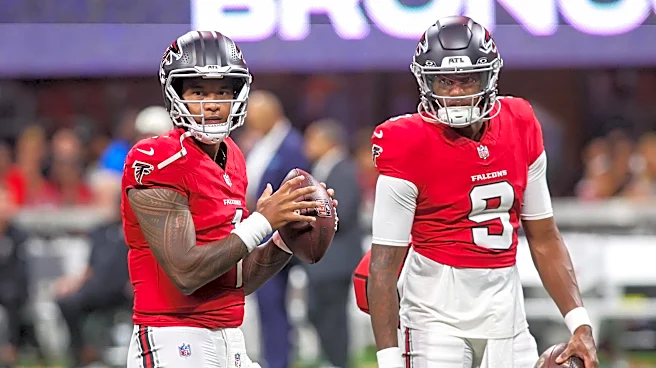
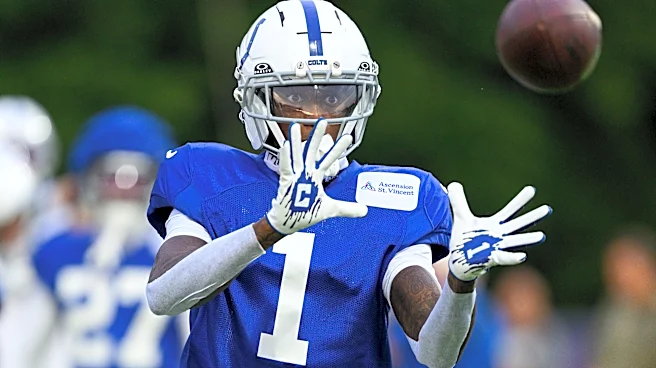
The Indianapolis Colts have released their unofficial depth chart for their second preseason game against the Atlanta Falcons. Head coach Shane Steichen indicated that most starters will not play in this game, with joint practices earlier in the week
serving as their primary game action. A key difference from the previous week's preseason game is the quarterback rotation: Riley Leonard is slated to start and play the entire first half, while Anthony Richardson Sr. will take over for the second half. Last week, Richardson started the first half and Leonard played the second. The depth chart details offensive positions including wide receivers, offensive line, tight ends, and running backs, as well as defensive positions such as defensive ends and defensive tackles. Special teams roles for long snapper, kick returner, and punt returner were also listed.
Why It's Important?
This unofficial depth chart provides insight into the Colts' strategy for player evaluation and preparation during the preseason. By resting most starters, the team aims to prevent injuries to key players while giving opportunities to those further down the depth chart to prove themselves. The specific quarterback rotation for this game is particularly significant, as it allows both Riley Leonard and Anthony Richardson Sr. to gain valuable playing time and experience. This approach helps the coaching staff assess their development and readiness for the regular season. The performance of these backup and rotational players in preseason games can influence roster decisions, potentially leading to new talent emerging or changes in the team's overall depth and strategy for the upcoming season. It also offers fans and analysts a glimpse into the team's potential lineup and player roles.
What's Next?
Following this preseason game against the Atlanta Falcons, the Colts will continue their evaluation process based on player performance. The coaching staff will analyze the game film and practice sessions to make further adjustments to the depth chart and roster. Players vying for starting positions or roster spots will have another opportunity to showcase their skills. The team will then prepare for subsequent preseason games and eventually finalize their 53-man roster before the start of the regular season. Decisions regarding the starting quarterback position and other key roles will likely become clearer as the preseason progresses, with the team aiming to optimize its lineup for competitive play.
Beyond the Headlines
The strategic use of preseason games, particularly in managing starter playing time and evaluating depth, reflects a broader trend in professional sports to balance player safety with competitive preparation. The emphasis on joint practices as a substitute for extensive game action for starters highlights a shift in how teams approach preseason. This approach minimizes injury risk for high-value players while still providing intense, game-like scenarios for development. For younger quarterbacks like Leonard and Richardson, these preseason reps are crucial for their growth and adaptation to the professional level, influencing their long-term careers and the team's future success. The careful management of player exposure in preseason can have significant implications for team health and performance throughout the demanding regular season.