





What's Happening?
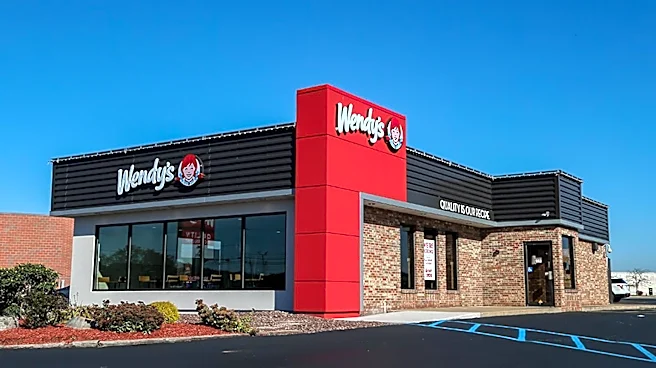
Wendy's, once the second-largest U.S. burger chain, is now facing a takeover bid from Nelson Peltz's Trian Fund Management, which has offered to take the company private for $1.4 billion. This development comes as Wendy's has experienced 18 months of struggling
performance, including six consecutive quarters of declining U.S. sales at established restaurants and a 12.5% slump in store visits in its most recent quarter. The company has fallen to third place behind a resurgent Burger King. Issues contributing to this decline include ineffective promotions, intense competition, and frequent changes in leadership, with Bob Wright recently appointed as the fourth CEO in three years. Wright has acknowledged problems such as lowered ingredient quality, inconsistent service due to understaffing, and a lack of compelling value menu items.
Why It's Important?
The struggles of Wendy's and the subsequent takeover bid highlight significant challenges within the highly competitive U.S. fast-food industry. For Wendy's, a take-private deal could offer an opportunity to implement a long-term turnaround strategy away from the immediate pressures of public markets and quarterly earnings reports. This could involve substantial capital investment to address operational inefficiencies, menu issues, and customer experience. However, the situation also raises concerns for shareholders, particularly those who have seen the stock price decline significantly. The involvement of activist investor Nelson Peltz, who has a long history with Wendy's, suggests a belief that the company's value can be unlocked through strategic changes. The outcome of this bid will not only determine the future ownership structure of Wendy's but could also influence competitive dynamics among major burger chains, as rivals like Burger King and McDonald's continue to adapt their strategies.
What's Next?
Wendy's board has formed a committee to review Trian's $1.4 billion proposal. The company itself has stated it is acting with urgency on its turnaround plan, which includes addressing issues like menu value, marketing, operations, and digital capabilities. Analysts will closely scrutinize Wendy's upcoming third-quarter results for any signs of improvement, with expectations of a U.S. same-store sales decline of approximately 6%. The potential take-private process could be complicated by investor sentiment, as some, like Blackwells Capital, have accused Peltz of opportunism, suggesting Wendy's current problems are a consequence of his long-standing influence. The new CEO, Bob Wright, who previously led a successful turnaround at Potbelly, is expected to apply a patient and methodical approach to fixing Wendy's, focusing on internal controls and operational improvements. The decision on Trian's offer will be a critical juncture for the company's future direction.
Beyond the Headlines
The situation at Wendy's reflects broader shifts in consumer preferences and market dynamics within the U.S. fast-food sector. Consumers are increasingly demanding value, quality, and consistent service, putting pressure on established chains to innovate and adapt. The 'burger wars' are not just about market share but also about brand perception, operational efficiency, and the ability to connect with evolving customer tastes. The potential privatization of Wendy's could signal a trend where struggling public companies in mature industries seek private ownership to undertake difficult, long-term restructuring without the constant scrutiny of public markets. This could lead to more aggressive changes in business models, supply chains, and customer engagement strategies. The ethical implications of activist investors acquiring companies at what some consider undervalued prices, especially after periods of underperformance, also come into play, raising questions about corporate governance and shareholder value.