









What's Happening?
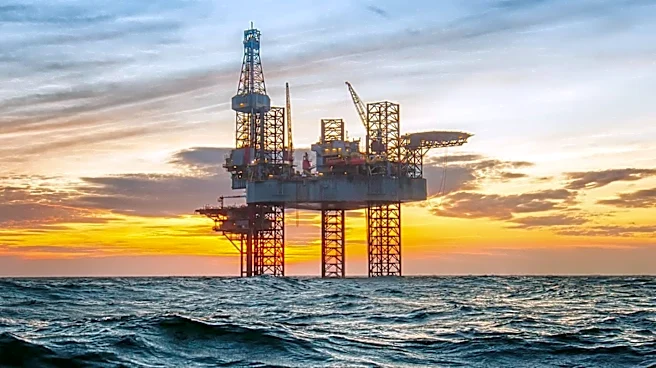
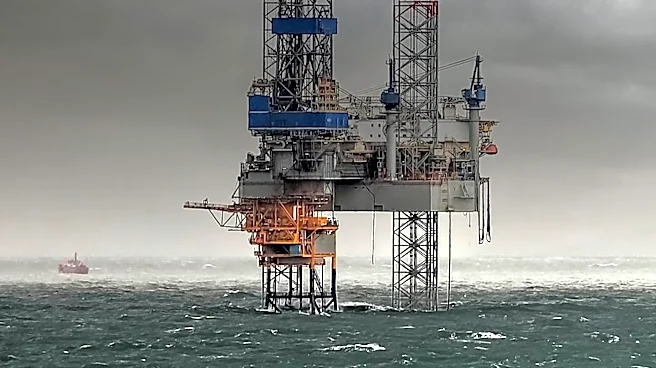
Oil prices are on track to record their most significant quarterly decline since the pandemic, with a 30% drop expected by the end of the quarter. This decline follows a memorandum of understanding between the U.S. and Iran aimed at continuing negotiations
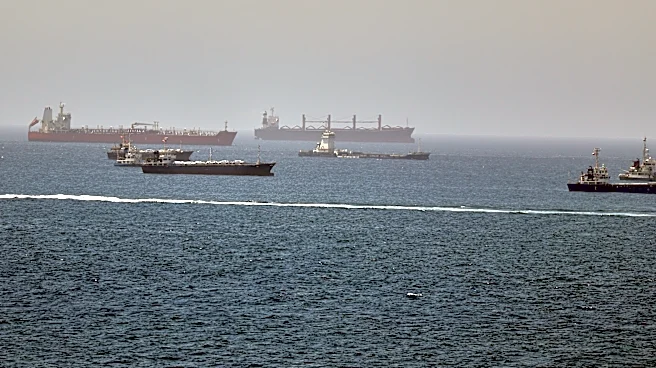
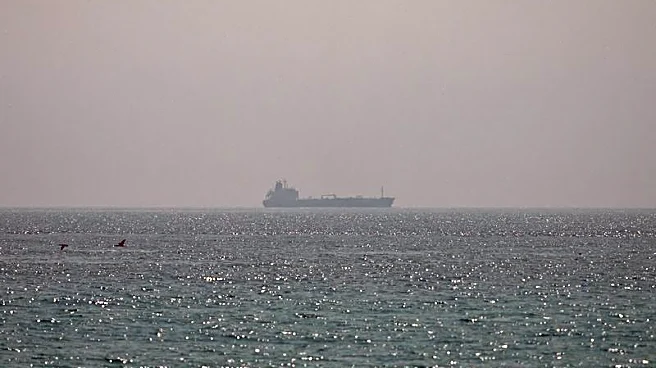
for a potential peace deal by August. The reopening of the Strait of Hormuz has contributed to the drop, as market hopes rise for a steady flow of oil through this critical passage. Despite the recent ceasefire, analysts caution against over-optimism, noting that geopolitical tensions could still disrupt the market. Investment banks have adjusted their oil price forecasts downward, reflecting the current market sentiment.
Why It's Important?
The significant drop in oil prices has broad implications for the global economy, particularly for oil-dependent industries and countries. Lower oil prices can reduce costs for transportation and manufacturing sectors, potentially leading to lower consumer prices. However, oil-producing nations may face economic challenges due to reduced revenue from oil exports. The situation also highlights the fragile nature of geopolitical agreements and their impact on global markets. The U.S.-Iran negotiations, while promising, remain uncertain, and any disruption could lead to volatility in oil prices, affecting global economic stability.
What's Next?
The future of oil prices will largely depend on the stability of the U.S.-Iran agreement and the continued openness of the Strait of Hormuz. Stakeholders, including oil companies and governments, will closely monitor the situation, preparing for potential disruptions. The market will also watch for any changes in production levels from major oil-producing countries, which could influence supply and demand dynamics. Additionally, investment strategies may shift as companies and investors adapt to the new pricing environment.