




What's Happening?
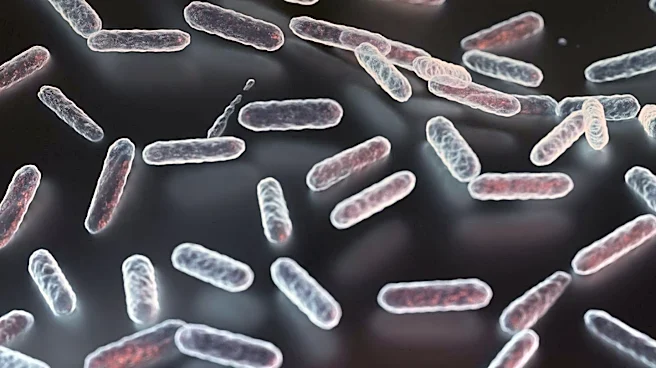
Registered dietitians emphasize that high-fiber fall foods are crucial for gut health because they nourish beneficial gut bacteria. When these bacteria ferment certain types of fiber, they produce short-chain fatty acids that support the gut lining, reduce
inflammation, and promote a healthy microbiome. Key fall foods recommended for their fiber content include apples, sweet potatoes, lentils, pumpkin, Brussels sprouts, and persimmons. For instance, a medium apple with skin provides 4.37 grams of fiber, while a cup of raw lentils offers an impressive 20.5 grams. Pumpkin contains bioactive compounds like carotenoids and pectin, which act as prebiotics, fueling healthy gut bacteria. Incorporating these seasonal foods into the diet is a simple and effective way to enhance gut health.
Why It's Important?
Prioritizing fiber-rich foods is vital for maintaining a healthy gut microbiome, which plays a significant role in numerous bodily functions beyond digestion, including immune response and inflammation regulation. The recommendations from registered dietitians highlight an accessible and natural way for individuals to improve their health through diet. This information is particularly important for public health initiatives aimed at promoting balanced nutrition and preventing chronic diseases linked to poor gut health. For the food industry, it underscores the value of promoting seasonal, whole foods and developing products that naturally incorporate high-fiber ingredients. This focus on dietary fiber also provides a practical, cost-effective approach to wellness that can benefit a wide range of the U.S. population.
What's Next?
Consumers can expect continued emphasis on the benefits of dietary fiber and whole foods for gut health from nutrition experts and health organizations. There will likely be more educational campaigns promoting the incorporation of seasonal, fiber-rich produce into daily meals. The food industry may respond by developing more products that highlight their natural fiber content and prebiotic properties. Research will continue to explore the specific mechanisms by which different types of fiber impact the gut microbiome and overall health, potentially leading to more tailored dietary recommendations. This trend could also encourage a greater focus on sustainable and local food systems, as seasonal eating often aligns with these practices.
Beyond the Headlines
The focus on high-fiber fall foods for gut health reflects a broader cultural shift towards understanding food as medicine and recognizing the intricate connection between diet and well-being. This perspective moves beyond calorie counting to emphasize the quality and diversity of nutrients, particularly those that support the microbiome. Ethically, it promotes a more holistic view of health that encourages natural, food-based interventions over reliance on supplements alone. It also highlights the importance of traditional dietary patterns that naturally incorporate seasonal produce. This trend could foster a greater appreciation for culinary traditions and local agriculture, reinforcing the idea that healthy eating is not just about individual choices but also about sustainable food systems and cultural practices.