





What's Happening?
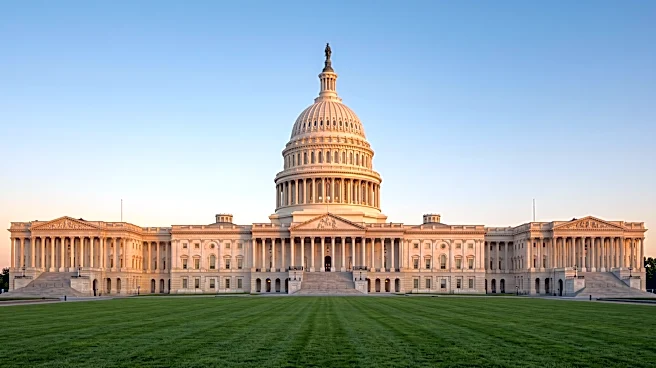
CJ Rich, a senior guard for the University of South Carolina Upstate men's basketball team, recently traveled to Washington, D.C., to advocate for the Protect College Sports Act. Rich, who serves as the Student-Athlete Advisory Committee (SAAC) president
at USC Upstate and is involved in the Big South Conference's SAAC leadership, joined a group of student-athletes from across the country to meet with lawmakers and staff on Capitol Hill. The two-day trip involved discussions about college athletics and culminated in a press conference outside the U.S. Capitol, where Rich stood alongside prominent college basketball coaches like Coach Calipari and Mark Few. Rich's involvement stems from his long-standing leadership within student-athlete organizations, where he has worked to improve the student-athlete experience. While Rich, a business management major, does not envision a future in politics, he viewed the trip as an opportunity to represent his peers and understand the impact of student-athlete voices on policy.
Why It's Important?
CJ Rich's participation in advocating for the Protect College Sports Act on Capitol Hill underscores the increasing role of student-athletes in shaping the future of collegiate athletics. This event highlights a significant shift where athletes are no longer just participants but active stakeholders in policy discussions that directly affect their careers and well-being. The Protect College Sports Act, while generating both support and opposition, represents a critical legislative effort to address various aspects of college sports, potentially including Name, Image, and Likeness (NIL) rights, athlete welfare, and governance. Rich's presence in Washington, D.C., provides a direct, lived perspective to lawmakers, offering insights into the practical implications of proposed legislation on student-athletes. His experience demonstrates the growing empowerment of athletes to use their platforms for advocacy, influencing decisions that could redefine the landscape of college sports for years to come. This engagement is vital for ensuring that future policies are informed by the voices of those most directly impacted.
What's Next?
The advocacy efforts by CJ Rich and other student-athletes are part of an ongoing national conversation surrounding the future of college sports and the Protect College Sports Act. Lawmakers will continue to deliberate on the proposed legislation, taking into account the perspectives shared by student-athletes, university administrators, and other stakeholders. The discussions on Capitol Hill are likely to lead to further legislative proposals or amendments aimed at addressing the complex issues within collegiate athletics, such as athlete compensation, transfer rules, and health and safety standards. Rich's experience may inspire more student-athletes to engage in similar advocacy, fostering a more active and informed student-athlete voice in policy-making. The long-term implications could include significant reforms in how college sports are governed and how student-athletes are treated, potentially leading to a more equitable and sustainable model for collegiate athletics across the U.S.
Beyond the Headlines
CJ Rich's journey from the basketball court to Capitol Hill reveals a deeper evolution in the perception and role of college athletes. Historically, student-athletes were often seen primarily through the lens of their athletic performance, with limited avenues for broader civic engagement. However, the current landscape, particularly with the advent of NIL rights and increased scrutiny on athlete welfare, has empowered athletes to become influential advocates. Rich's experience highlights the ethical dimension of collegiate sports, where the balance between athletic competition, academic pursuits, and the rights of individuals is constantly being negotiated. His ability to articulate the student-athlete perspective to national lawmakers signifies a maturation of the athlete's role, transforming them into active participants in the democratic process. This shift could lead to a more robust and representative governance structure for college sports, where the voices of those on the field and court are integral to policy formation, fostering a more holistic and equitable environment for all student-athletes.