





What's Happening?
Exhibily is an online platform that provides virtual tours and digital galleries for art exhibitions, allowing artists to showcase their work to a global audience. The platform enables visitors to explore exhibitions, including paintings, scale models,
and sculptures, through 360-degree virtual tours. This approach allows viewers to experience the placement and relationship of artworks within a curated space, offering insights into the artist's ideas. Exhibily supports both solo and group exhibitions, connecting artists around shared themes. A key feature for artists is that the platform takes no commission on artwork sales, allowing them to retain the full sale price. This model aims to help artists introduce their work to international viewers without geographical limitations or financial deductions. Current exhibitions on Exhibily cover diverse subjects, such as Pervin Özen’s “Traces of Nature and Woman,” Irem Schultheiss’s “Traces in Water,” Nilgün Miler’s “The Absent Woman,” and Yiğit Dedeoğlu’s “To Be a Dog in Türkiye,” many of which address social concerns alongside artistic narratives. The platform also partners with Art Schultheiss in Vienna, integrating both physical and digital exhibition approaches.
Why It's Important?
The rise of platforms like Exhibily is significant for the art world, particularly in the U.S., as it democratizes access to art and expands market opportunities for artists. By removing geographical barriers, online exhibitions allow U.S. artists to reach international audiences and collectors who might otherwise never encounter their work. This increased visibility can lead to new sales opportunities and broader recognition, fostering economic growth within the art community. For art enthusiasts and the general public in the U.S., these platforms offer unprecedented access to diverse artistic practices and cultural narratives from around the world, enriching cultural understanding and engagement. The no-commission model is particularly impactful for independent and emerging artists, providing a more financially viable way to sell their work and build sustainable careers. This shift also challenges traditional gallery models, potentially leading to more equitable distribution of art and revenue within the industry. Furthermore, the ability to explore exhibitions across time zones and outside conventional gallery hours makes art more accessible to individuals with busy schedules or limited mobility, promoting wider participation in the arts.
What's Next?
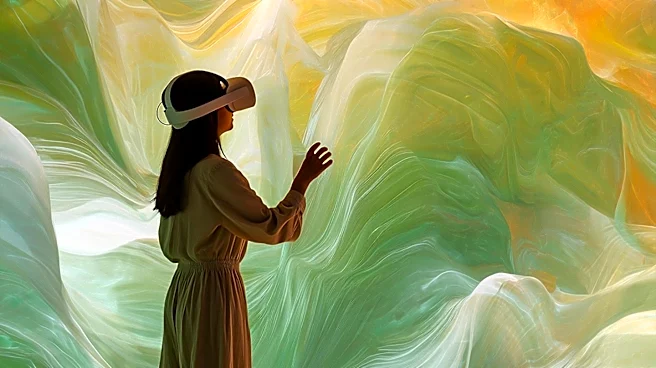
The continued growth of online art exhibition platforms like Exhibily is likely to further integrate digital technologies into the art market. We can anticipate more artists and galleries adopting these platforms to complement or even replace traditional physical exhibitions. The development of more immersive virtual reality experiences could enhance the online viewing experience, making it even more engaging and interactive. There may also be an increase in collaborations between online platforms and physical art institutions, creating hybrid exhibition models that combine the best of both worlds. As these platforms gain traction, they could influence art education and curation, leading to new ways of presenting and interpreting art. The success of Exhibily's no-commission model might also pressure other online art marketplaces to reconsider their fee structures, potentially benefiting artists across the board. Additionally, the focus on social and cultural narratives in current exhibitions suggests a trend towards using digital platforms to address contemporary issues and foster dialogue on a global scale.
Beyond the Headlines
The emergence of platforms like Exhibily points to a broader cultural shift in how art is consumed and valued in the digital age. Beyond mere convenience, online exhibitions raise questions about the nature of art itself and the experience of viewing it. While a physical encounter with art offers a unique sensory experience, digital platforms provide a different kind of engagement, emphasizing accessibility, global reach, and the potential for new forms of curation. This development also highlights ethical considerations regarding digital ownership, copyright in virtual spaces, and the authenticity of digital art. The no-commission model, while beneficial for artists, could also disrupt established power dynamics within the art market, potentially leading to a more decentralized and artist-centric ecosystem. Furthermore, the ability to share exhibitions easily via social media transforms art into a more shareable and discussable commodity, influencing public discourse and cultural trends. This digital transformation of the art world reflects a larger societal movement towards virtual experiences and the increasing importance of online presence for creative professionals.