


What's Happening?
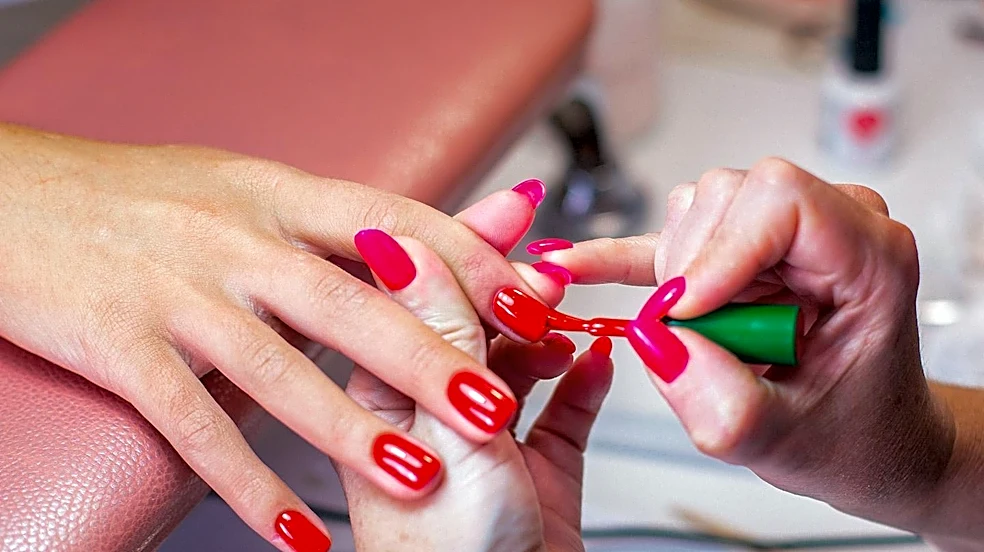
Professional acrylic nail products set more slowly in cold salon environments, leading to application difficulties and extended service times. This is due to the chemical process of polymerization, which hardens acrylic liquid and powder, slowing down
in cooler conditions. Nail technicians may experience acrylic beads remaining soft longer, product spreading excessively, difficulty maintaining nail structure, and increased waiting times before filing. The issue can be exacerbated by cold products stored in chilly cabinets or by clients arriving with cold hands. Many professional acrylic systems perform optimally between 68 to 75 degrees Fahrenheit, but consistency in temperature is crucial. Improper liquid-to-powder ratios, mixing different acrylic brands, and using old or contaminated products can also contribute to slow setting.
Why It's Important?
For nail salons, slow-setting acrylic directly impacts operational efficiency and client satisfaction. Delays in service can disrupt appointment schedules, reduce technician productivity, and potentially lead to client frustration. Inconsistent product behavior can also compromise the quality and durability of nail enhancements, affecting a salon's reputation. Understanding and managing temperature is essential for maintaining professional standards and ensuring predictable results. This issue highlights the technical precision required in nail services and the importance of environmental controls within a salon setting. Without proper adjustments, salons risk financial losses due to inefficiency and a decline in client trust.
What's Next?
Nail technicians and salon owners will need to implement strategies to mitigate the effects of cold temperatures on acrylic products. This includes maintaining consistent room temperatures, ensuring products are stored at appropriate temperatures and allowed to acclimate naturally, and considering client hand temperature. Technicians may also need to refine their bead pickup technique to ensure correct liquid-to-powder ratios and avoid mixing incompatible brands. Manufacturers might continue to develop acrylic systems designed for broader temperature ranges or offer faster-setting options. Ongoing education for nail professionals on the science of acrylic application and environmental factors will be crucial for maintaining service quality year-round.
Beyond the Headlines
The challenge of temperature-sensitive acrylic products underscores the intersection of chemistry, artistry, and business in the beauty industry. It highlights the often-overlooked scientific principles that govern everyday salon services. Beyond the immediate operational impact, this issue can influence product development, leading to innovations in acrylic formulations that are more resilient to environmental fluctuations. It also emphasizes the importance of a holistic approach to salon management, where environmental factors are as critical as skill and product quality. For clients, it reinforces the value of a professional salon environment that prioritizes consistent quality and efficient service, driven by technicians who understand the nuances of their craft and materials.