









What's Happening?
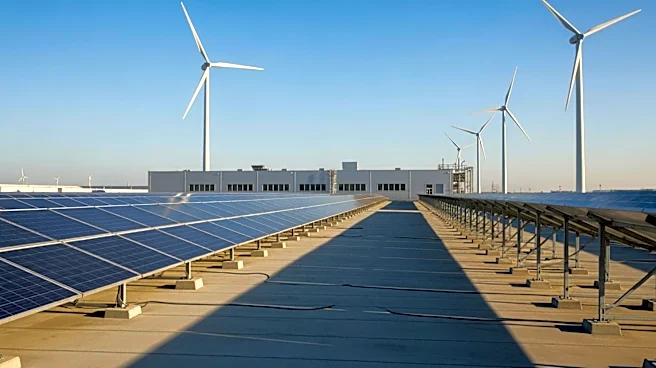
DuPont has announced that all of its U.S. healthcare manufacturing facilities are now powered by 100% renewable electricity. This achievement aligns with the company's broader sustainability goals, which include reducing greenhouse gas emissions and achieving
net zero by 2050. The transition to renewable energy was facilitated through the use of renewable energy certificates (RECs), power purchase agreements, and on-site renewable generation. DuPont's U.S. facilities join its European sites, which reached the same milestone in May 2025. The company has reported a 76% reduction in Scope 1 and 2 greenhouse gas emissions since 2019 and a 66% reduction in Scope 3 emissions compared to 2020. This initiative is part of DuPont's commitment to decarbonization and its RE100 commitment, with more than half of its global electricity now sourced from renewables.
Why It's Important?
DuPont's transition to 100% renewable electricity for its U.S. healthcare manufacturing facilities is a significant step in the company's sustainability strategy. This move not only reduces the environmental impact of its operations but also sets a precedent for other companies in the healthcare and manufacturing sectors. By cutting greenhouse gas emissions and committing to net zero by 2050, DuPont is contributing to global efforts to combat climate change. The use of renewable energy in manufacturing can lead to a more sustainable supply chain, benefiting both customers and patients by potentially lowering costs and improving environmental outcomes. This initiative also enhances DuPont's reputation as a leader in sustainability, which could influence industry standards and encourage other companies to adopt similar practices.
What's Next?
DuPont plans to continue its efforts towards achieving net zero emissions by 2050. The company is likely to expand its use of renewable energy across other operations and regions, further reducing its carbon footprint. As part of its sustainability strategy, DuPont may also explore additional innovations in energy efficiency and waste reduction. The success of this initiative could lead to increased collaboration with other companies and stakeholders in the renewable energy sector, potentially driving further advancements in sustainable manufacturing practices. Additionally, DuPont's progress may prompt regulatory bodies to consider new policies or incentives to encourage similar transitions in other industries.