






What's Happening?
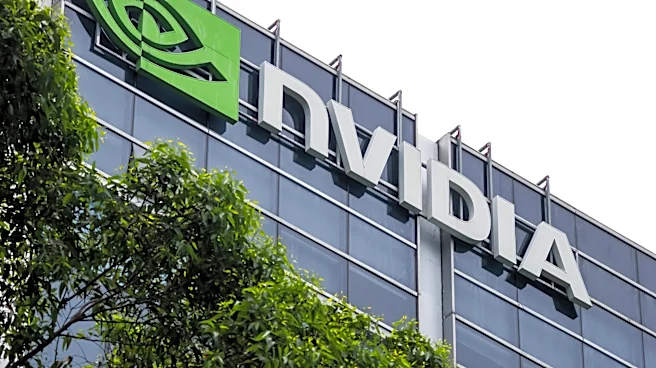
Matt Levine, a columnist for Bloomberg Opinion, was referenced in a discussion regarding SpaceX's recent debt financing. SpaceX has reportedly raised $43 billion in debt, which is secured by Nvidia chips. According to the Financial Times, lenders expressed
concerns about Elon Musk's intention to launch this collateral into orbit, as it would complicate repossession in the event of a default. Levine humorously remarked that he has never wanted to see a film more than 'the Elon Musk Space Repo Movie.' SpaceX has stated that the chips involved in this debt deal are intended for use on Earth, suggesting that Musk may need alternative funding for chips designated for space deployment. This financial maneuver by SpaceX highlights the innovative and sometimes unconventional approaches taken by the company in its funding strategies.
Why It's Important?
This development is important for the U.S. business and technology sectors, particularly for companies involved in space exploration and advanced computing. The use of Nvidia chips as collateral for such a substantial debt raises questions about the valuation of these high-tech components and the evolving nature of asset-backed financing in the tech industry. For Nvidia, it underscores the significant demand and perceived value of its products, extending beyond traditional computing applications to potentially influence large-scale financial transactions. For SpaceX, it demonstrates their ability to secure massive funding, which is crucial for their ambitious projects like Starlink and future space missions. However, the lenders' concerns about repossessing collateral in orbit highlight the unique risks and complexities associated with financing ventures in the burgeoning space economy. This situation could set precedents for how future space-related assets are valued and used in financial markets.
What's Next?
SpaceX's immediate next steps will likely involve clarifying its plans for the Nvidia chips, particularly distinguishing between those used as collateral on Earth and those intended for space. The company will need to address lenders' concerns regarding the security of their investment, potentially through more detailed agreements or alternative collateral arrangements for future financing rounds. The broader financial community will be watching to see if this innovative debt structure becomes a model for other space and tech companies, or if the unique challenges of orbital collateral lead to more conservative financing approaches. Future regulatory discussions might also emerge concerning the classification and repossession of assets in space, as the commercial space industry continues to grow and attract significant investment.
Beyond the Headlines
The situation with SpaceX's debt and Nvidia chips touches upon deeper implications concerning the intersection of finance, technology, and space law. The concept of using high-tech components like Nvidia chips as collateral for billions of dollars in debt signifies a shift in how value is perceived and leveraged in the modern economy. It also highlights the increasing financialization of advanced technology. Furthermore, the lenders' apprehension about repossessing orbital assets brings to light the nascent legal frameworks surrounding property rights and enforcement in space. As more private entities venture into space, the need for clear international and national regulations on space asset ownership, collateralization, and recovery will become paramount. This scenario could accelerate discussions on developing robust legal and financial mechanisms to support the rapidly expanding space economy, potentially influencing future international treaties and commercial agreements.