




What's Happening?
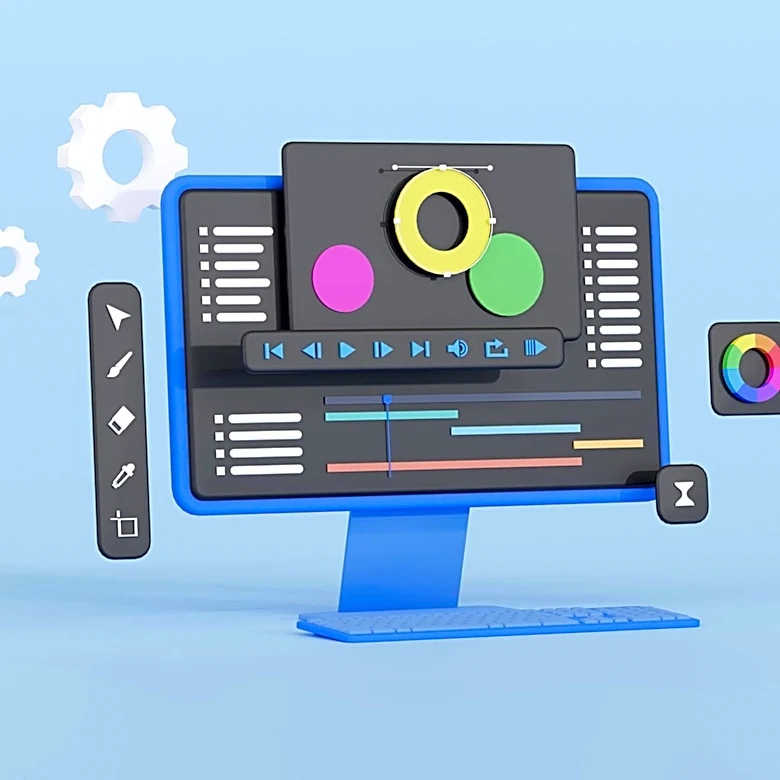
Morphed, a Houston-based creative workspace, has introduced 'Morphed Agent,' an AI-powered production agent designed to transform a single plain-language prompt into a comprehensive, coordinated creative campaign across images and video. This new tool
is aimed at founders, e-commerce operators, and marketers who require campaign creative but may lack an in-house production team or extensive experience with AI tools. Users can describe their campaign goals in ordinary words and optionally attach product photos, logos, or brand references. The Agent then generates a production plan and creates various assets, including website heroes, social creative, ad images, short videos, and campaign variations, all within a single workspace. The system utilizes a catalog of image and video models such as Z-Image Turbo, Nano Banana 2, GPT Image 2, Kling 2.6, Seedance 2.5, and MiniMax H3 Max, recommending models for each job while allowing users to select their own for direct control. Morphed Agent is now available on paid plans starting at $9 per month, with generation costs varying based on the brief and selected model.
Why It's Important?
The launch of Morphed Agent signifies a notable advancement in AI-driven content creation, particularly for small to medium-sized businesses and individual marketers in the U.S. It democratizes access to sophisticated creative production capabilities that were previously resource-intensive or required specialized expertise. By streamlining the creation of diverse campaign assets from a single prompt, the tool can significantly reduce the time and cost associated with marketing content development. This could empower smaller businesses to compete more effectively with larger enterprises that have dedicated creative teams. Furthermore, it addresses a growing need for efficient content generation in an increasingly digital-first marketing landscape, potentially shifting how marketing agencies and in-house teams approach campaign execution. The ability to generate coordinated visual and video content rapidly could accelerate product launches and social media promotions, impacting market responsiveness and brand visibility across various industries.
What's Next?
Following its launch, Morphed Agent is expected to see adoption among its target audience of founders, e-commerce operators, and marketers. The company will likely focus on refining its AI models and expanding its catalog of supported image and video generation capabilities based on user feedback and evolving market demands. Future developments could include deeper integrations with popular marketing platforms and analytics tools to further streamline campaign management. As more businesses leverage AI for creative content, there may be an increased demand for educational resources and best practices to maximize the effectiveness of such tools. Competitors in the AI content generation space may also respond with similar integrated campaign solutions, fostering innovation and competition in the market. The success of Morphed Agent will depend on its ability to consistently deliver high-quality, brand-consistent creative assets and its ease of use for non-technical users.
Beyond the Headlines
The introduction of Morphed Agent highlights a broader trend in the U.S. economy: the increasing reliance on artificial intelligence to automate and enhance creative processes. This development raises important questions about the future of creative roles and the skills required in marketing and advertising. While AI tools like Morphed Agent can handle the repetitive and technical aspects of content creation, human oversight remains crucial for strategic direction, brand voice, and ethical considerations. The tool's emphasis on 'coordinated campaigns' also points to the growing complexity of digital marketing, where consistency across multiple channels is paramount. This shift could lead to a redefinition of 'creativity' in a business context, moving from manual production to strategic prompt engineering and AI management. Furthermore, the accessibility of such powerful tools could foster a new wave of entrepreneurship, enabling individuals and small teams to launch sophisticated marketing efforts with minimal overhead, potentially disrupting traditional agency models.