





What's Happening?
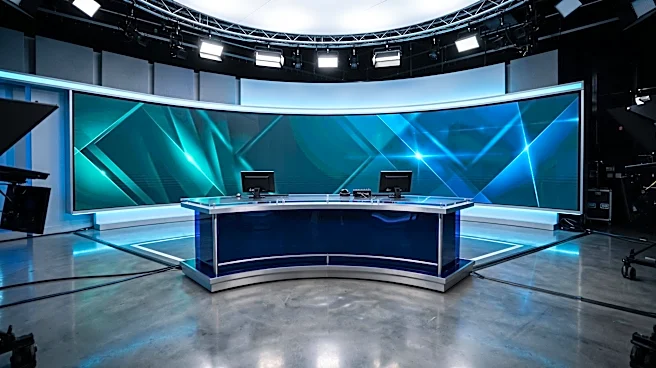
Late-night television programs, including 'Jimmy Kimmel Live!', are making changes to their broadcast schedules for the upcoming midterm elections. For the first time since 2002, no late-night show is scheduled to air live reactions to the election results.
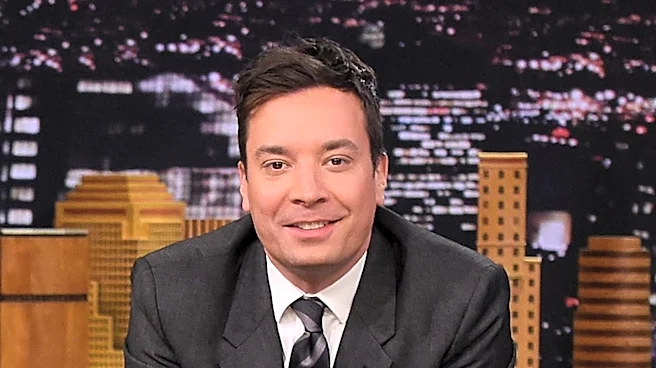
While 'Jimmy Kimmel Live!' will air a new episode in its usual time slot, it will be taped later than usual to allow for some reaction to early East Coast results. However, ABC may interrupt the broadcast for live news coverage if significant results determining control of the House or Senate come in. NBC and CBS will preempt their late-night programs entirely with live election news coverage, meaning shows like 'The Tonight Show Starring Jimmy Fallon' and 'Late Night With Seth Meyers' will not air new episodes.
Why It's Important?
This shift in late-night election coverage reflects a changing media landscape and potentially evolving audience preferences for how they consume election results. The decision by major networks to prioritize live news coverage over comedic commentary on election night suggests a heightened focus on immediate, factual reporting during critical political events. For viewers, this means a different experience, with less satirical analysis and more direct news updates. This change could also impact the role of late-night hosts in shaping public discourse around elections, as their immediate, unscripted reactions have historically provided a unique blend of entertainment and political commentary. The move away from live late-night election specials also indicates a potential consolidation of news delivery to traditional news channels during high-stakes political moments.
What's Next?
The absence of live late-night election coverage could lead to a re-evaluation of how these shows engage with major political events in the future. Networks may observe audience engagement with the altered format to determine if this trend will continue for subsequent elections. It could also prompt late-night hosts to find alternative ways to deliver their political commentary, perhaps through pre-taped segments that are more adaptable to breaking news, or by focusing their post-election analysis on subsequent nights. This change might also influence how political campaigns and parties strategize their messaging, knowing that the immediate, often viral, late-night reactions will be absent on election night itself.