
What's Happening?
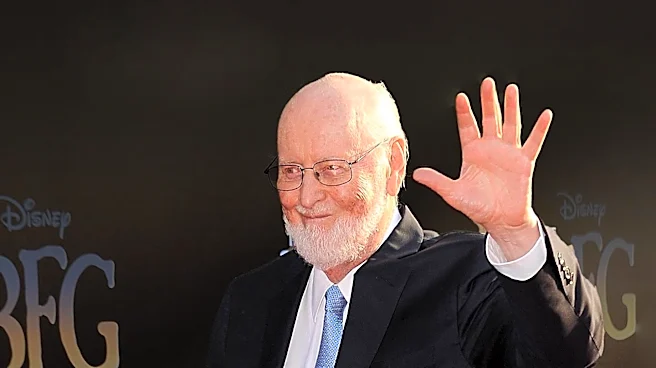
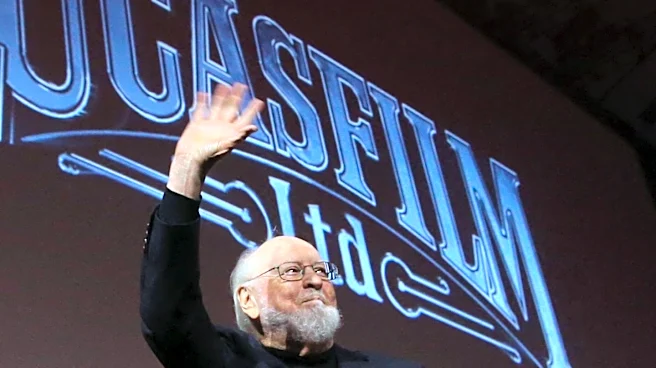
John Williams, a renowned composer, crafted the scores for the initial three Harry Potter films: 'Harry Potter and the Philosopher’s Stone,' 'Harry Potter and the Chamber of Secrets,' and 'Harry Potter and the Prisoner
of Azkaban.' During this period, Williams created 'Hedwig’s Theme,' a distinctive melody that became the overarching musical identity for the entire film series. Even though Williams did not compose the music for subsequent installments, this iconic theme consistently reappeared throughout the franchise, serving as a unifying musical motif that connected the various chapters. Following Williams, other composers contributed to the series, including Patrick Doyle for 'Harry Potter and the Goblet of Fire,' Nicholas Hooper for 'Harry Potter and the Order of the Phoenix' and 'Harry Potter and the Half-Blood Prince,' and Alexandre Desplat for the final two films, 'Harry Potter and the Deathly Hallows: Part 1' and 'Part 2.' Each composer introduced new musical directions while maintaining the established identity, ensuring the soundtrack evolved with the story's darkening tone and increasing emotional complexity.
Why It's Important?
The enduring presence of John Williams' 'Hedwig's Theme' highlights its significant impact on cinematic history and popular culture. This theme transcended its initial film appearances to become synonymous with the entire Harry Potter universe, demonstrating the power of a well-crafted musical motif to define a franchise. For the entertainment industry, it underscores the value of establishing strong, recognizable musical branding early in a series' development. The theme's continued use by subsequent composers also illustrates how foundational creative elements can be integrated and adapted by different artists, ensuring continuity and audience recognition. This approach has helped maintain the magical atmosphere and emotional resonance of the wizarding world for millions of fans globally, solidifying the franchise's cultural footprint and its commercial success in film, merchandise, and live performances. The theme's longevity also showcases Williams' mastery in creating timeless compositions that resonate across generations.
What's Next?
The continued popularity of the Harry Potter franchise ensures that John Williams' 'Hedwig's Theme' will remain a prominent cultural touchstone. The music of Harry Potter is frequently featured in live orchestral performances and concert series globally, allowing audiences to experience the scores beyond the cinematic context. These events often highlight Williams' foundational contributions, celebrating the intricate arrangements and instrumentation that bring the wizarding world to life. As new generations discover the Harry Potter stories, 'Hedwig's Theme' will continue to serve as their introduction to the magical realm, solidifying its place in popular culture. Future adaptations or expansions of the Harry Potter universe, whether in film, television, or other media, will likely continue to incorporate or reference this iconic melody to maintain a consistent connection to the established world and evoke a sense of nostalgia and familiarity for fans.
Beyond the Headlines
Beyond its immediate recognition, 'Hedwig's Theme' exemplifies the profound psychological impact music can have on storytelling and audience engagement. Williams' composition masterfully blends wonder, mystery, and a touch of melancholy, perfectly encapsulating the essence of Harry Potter's journey. This theme has become a case study in how a single piece of music can evoke complex emotions and instantly transport listeners to a fictional world. Its pervasive influence extends beyond mere entertainment, shaping how audiences perceive and remember the narrative. The theme's ability to adapt and remain relevant across different composers and evolving storylines also speaks to its inherent versatility and timeless quality. It underscores the idea that certain artistic creations can achieve a universal resonance, becoming an integral part of a collective cultural memory and influencing subsequent works in fantasy and film scoring.