

What's Happening?
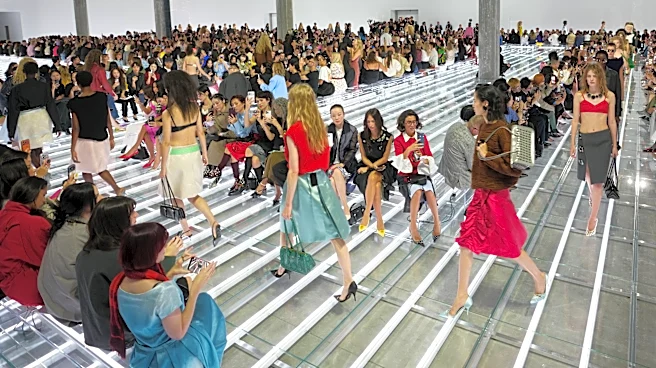
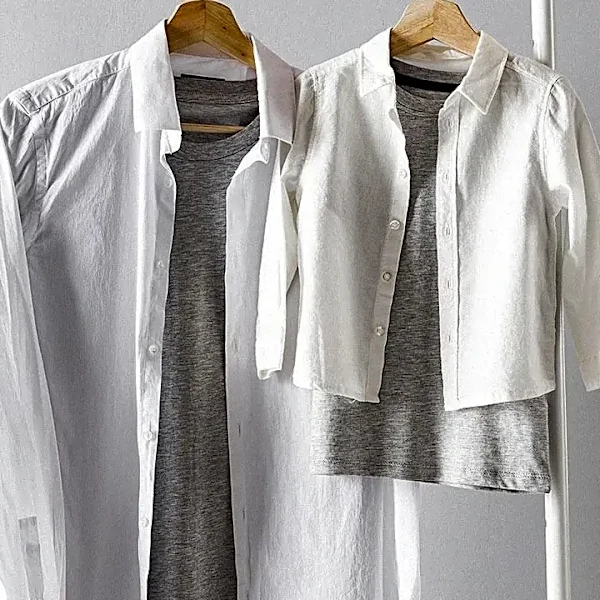
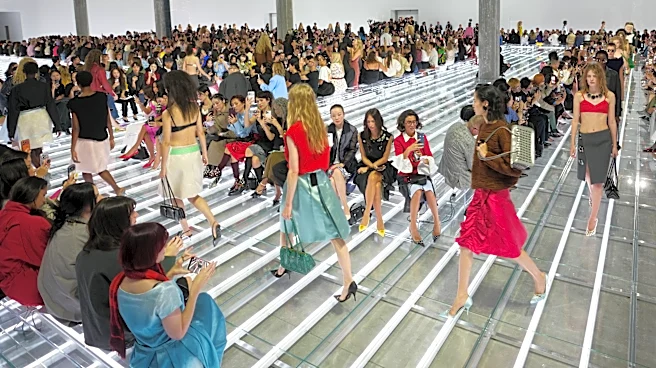
Milan Fashion Week's street style has once again captured attention, featuring a range of looks from editors, stylists, and creators. Key pieces observed include a slim-fit poplin shirt from Mango Usa, technical bermuda shorts from Zw Collection, and a zip-up
sweater paired with an organza dress and colorful pumps. Other notable items are a long knit jacket from Zara, a Chandler dress from Staud, and floral applique satin mule pumps by Manolo Blahnik. Accessories like Reese oversized shield aviator sunglasses and Tony Bianco Moma pumps were also prominent. The street style also highlighted a wool and alpaca top from Prada, a Valérie small leather top-handle bag from Jacquemus, and a Re-Nylon pencil skirt from Prada. Beyond individual items, broader trends such as leather jackets, baggy pants, and tees were frequently seen, indicating a blend of classic and contemporary fashion choices.
Why It's Important?
The street style at Milan Fashion Week serves as a significant indicator of emerging and reinforcing fashion trends that can influence the broader U.S. retail and apparel industries. The visibility of specific brands like Mango Usa, Zara, Staud, Manolo Blahnik, Prada, and Jacquemus in these high-profile settings can drive consumer demand and purchasing decisions in the U.S. market. For U.S. fashion retailers and designers, understanding these trends is crucial for inventory planning, marketing strategies, and product development. The emphasis on versatile pieces like poplin shirts, knit jackets, and leather items suggests a consumer preference for adaptable and stylish clothing, impacting how U.S. brands curate their collections. Furthermore, the blend of high-end and accessible brands seen in Milan street style reflects a consumer behavior that values both luxury and affordability, influencing pricing and merchandising strategies across the U.S. fashion landscape.
What's Next?
Following Milan Fashion Week, U.S. fashion retailers and trend forecasters will likely analyze these street style observations to predict upcoming consumer preferences. Brands may begin to incorporate similar silhouettes, materials, and accessory styles into their future collections, influencing fashion lines for the upcoming seasons. Consumers, inspired by these looks, are expected to seek out similar items, potentially leading to increased sales for brands that align with these trends. Fashion publications and social media influencers in the U.S. will continue to disseminate these styles, further solidifying their presence in mainstream fashion. The continued evolution of street style, particularly its blend of practicality and high fashion, will shape the direction of casual and formal wear in the U.S., with designers and brands adapting to meet these evolving aesthetic demands.
Beyond the Headlines
The street style phenomenon at Milan Fashion Week extends beyond mere clothing choices; it reflects deeper cultural and societal shifts in how individuals express themselves through fashion. The blend of established luxury brands with more accessible labels like Mango and Zara highlights a democratization of style, where personal expression often transcends strict brand loyalty. This trend can influence U.S. consumer behavior by encouraging a more eclectic and personalized approach to dressing, moving away from monolithic fashion dictates. Ethically, the focus on certain materials and silhouettes might also subtly influence discussions around sustainable fashion practices, as consumers become more aware of the origins and impact of their clothing choices. The emphasis on 'get the look' suggestions in coverage also underscores the growing influence of digital media and e-commerce in translating runway and street style trends into actionable consumer purchases, further blurring the lines between high fashion and everyday wear.