





What's Happening?
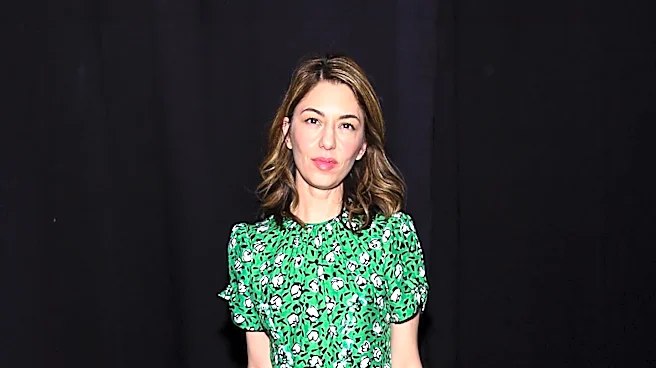
Eleanor Coppola's documentary, 'Making Marie Antoinette,' has been released, offering a behind-the-scenes look at her daughter Sofia Coppola's 2006 film. Eleanor Coppola, who passed away in 2024, filmed approximately 80 hours of footage during the production
of 'Marie Antoinette' in 2006. The raw footage remained largely unused for years, with only portions appearing in the original film's marketing campaign. During the 2020 lockdown, Eleanor and Sofia Coppola began organizing the material. Following Eleanor's death, Sofia Coppola completed the documentary as a tribute to her mother, ensuring Eleanor received the sole director credit, while Sofia is listed as a producer. The film features narration from Eleanor Coppola's diary entries by actress Diane Lane and includes appearances by Sofia Coppola, Kirsten Dunst, Jason Schwartzman, and Francis Ford Coppola. The documentary highlights Eleanor's unique insider perspective as a family member on set, capturing intimate moments and the challenges faced during the production of the $40 million project.
Why It's Important?
This documentary is significant for several reasons, particularly in the context of filmmaking and family legacies within the arts. It provides a rare and intimate glimpse into the creative process of a major motion picture through the eyes of a mother observing her daughter's work. The film offers valuable insights into the dynamics of a mother-daughter relationship intertwined with artistic collaboration, showcasing both the support and subtle tensions that can arise. For film enthusiasts and scholars, it serves as a unique case study in documentary filmmaking, especially concerning posthumous releases and the curation of archival footage. The project also underscores the enduring impact of the Coppola family on American cinema, demonstrating how their personal and professional lives often intersect to produce compelling narratives. The documentary's focus on the challenges faced by a female director in a male-dominated industry, as subtly highlighted by Eleanor's observations, adds another layer of importance, reflecting on the historical and ongoing struggles for gender equity in Hollywood.
What's Next?
The release of 'Making Marie Antoinette' is expected to generate renewed interest in Sofia Coppola's 2006 film and Eleanor Coppola's documentary work. Film festivals and cinematic retrospectives may feature both films, offering audiences a comprehensive view of the creative journey. Discussions around the film are likely to focus on the unique mother-daughter collaboration, the challenges of large-scale film production, and the legacy of the Coppola family in cinema. The documentary's intimate portrayal of Sofia Coppola's early career anxieties and artistic vision could also influence future analyses of her filmography. Additionally, the film may spark conversations about the role of family members in documenting artistic processes and the ethical considerations of posthumous releases. The project could also inspire other filmmakers to explore similar archival projects, bringing previously unseen behind-the-scenes footage to light.
Beyond the Headlines
Beyond its immediate narrative, 'Making Marie Antoinette' delves into deeper themes of artistic legacy, personal sacrifice, and the often-unseen emotional toll of creative endeavors. The documentary subtly explores the complexities of family relationships within a professional setting, where the lines between personal and professional support can blur. Eleanor Coppola's perspective as a mother offers a unique lens through which to view Sofia's struggles, highlighting the universal anxieties of creation and the pressure to succeed. The film also touches upon the broader cultural shifts in how female directors are perceived and the historical context of their challenges in the film industry. The act of Sofia completing her mother's work as a tribute adds an emotional and ethical dimension, transforming the documentary into a poignant act of remembrance and artistic continuation. This project serves as a testament to the enduring power of film to capture not just events, but also the intricate human relationships and emotional landscapes that shape them.