




What's Happening?
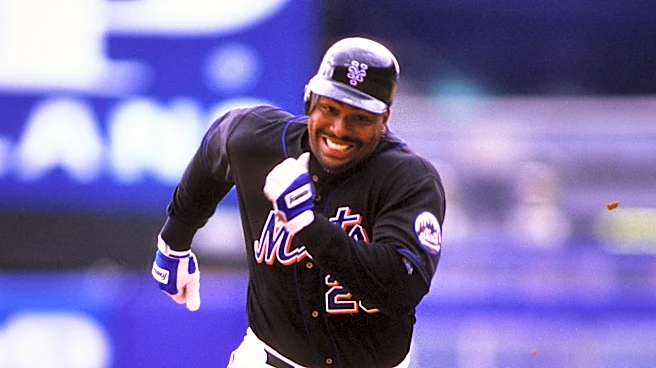
Every July 1st, baseball fans celebrate Bobby Bonilla Day, marking the unique deferred payment agreement between the New York Mets and former player Bobby Bonilla. Bonilla, a six-time All-Star, has been receiving an annual payment of $1.19 million from
the Mets since 2011, a result of a decision made in 2000 to defer the $5.9 million the team owed him. This agreement, which includes an 8% interest rate, will continue until 2035, totaling nearly $30 million. The arrangement was made after Bonilla's release from the Mets following the 1999 season, during which he played only 60 games and had a contentious relationship with the team's management. Despite being out of the game for over two decades, Bonilla's contract remains a topic of fascination and humor among fans and analysts alike.
Why It's Important?
The Bobby Bonilla Day phenomenon highlights the financial strategies and long-term planning involved in professional sports contracts. This particular deal is often cited as a cautionary tale for sports franchises about the potential long-term financial implications of deferred payments. For the Mets, the agreement has become a cultural touchstone, reflecting both the team's past financial decisions and the broader economic practices within Major League Baseball. The annual celebration underscores the enduring interest in how sports teams manage player contracts and the financial acumen required to balance immediate needs with future obligations. It also serves as a reminder of the unique and sometimes humorous aspects of sports economics.
What's Next?
The Mets will continue to honor the deferred payment agreement with Bonilla until 2035, when the final payment is due. As the years progress, the story of Bobby Bonilla Day is likely to remain a popular topic among baseball fans and media, serving as a humorous reminder of the Mets' past financial decisions. The team's current ownership, under Steve Cohen, has embraced the day, even joking about hosting celebrations at Citi Field. This ongoing narrative may influence how future sports contracts are structured, particularly regarding deferred payments and their long-term impact on team finances.