





What's Happening?
Luxury hotels in the United States are increasingly adopting 'sleep tourism' initiatives, offering specialized amenities and services designed to enhance guests' sleep quality. This trend, which has also gained traction in Japan, focuses on creating optimal
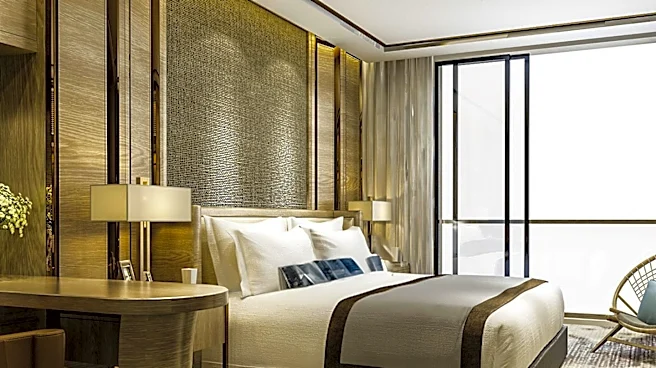
sleep environments and providing tools for restful nights. For instance, Equinox Hotel New York features soundproofed rooms, blackout blinds, temperature-regulating beds, and a 'Sleep Well Menu' with items like charcoal lattes and tart cherry juice. They also offer advanced sleep-focused amenities such as IV drips for recovery and personalized sleep coaching. Similarly, Hotel Figueroa in Los Angeles provides a 'Rest & Recovery Suite' where guests complete a survey about their sleep habits to receive a customized Pluto Pillow and an intelligent Eight Sleep mattress that adjusts to maintain ideal sleep temperature. These hotels aim to counteract the 'First Night Effect,' a phenomenon where the brain remains on guard in new surroundings, leading to lighter sleep.
Why It's Important?
The emergence of 'sleep tourism' in the U.S. luxury hotel sector signifies a growing recognition of sleep as a critical component of overall wellness and a marketable luxury experience. This trend could significantly impact the hospitality industry by creating a new niche market focused on health and recovery. Hotels that successfully implement these programs stand to attract a clientele willing to pay a premium for enhanced well-being, potentially increasing revenue and brand loyalty. For consumers, it offers a tangible benefit beyond traditional hotel comforts, addressing a widespread concern about sleep deprivation and the challenges of sleeping away from home. This shift also highlights a broader societal emphasis on self-care and holistic health, influencing how travel and leisure are perceived and consumed. The investment in advanced sleep technology and personalized services could also spur innovation within the hospitality and wellness sectors.
What's Next?
As 'sleep tourism' gains momentum, it is likely that more U.S. hotels, both luxury and mainstream, will begin to integrate sleep-focused amenities into their offerings. This could lead to a standardization of certain features, such as advanced mattresses and soundproofing, and the development of new technologies aimed at improving sleep. We may see increased partnerships between hotels and sleep science experts, wellness brands, and technology companies to offer more sophisticated and personalized sleep solutions. The success of these programs could also influence travel agencies and tour operators to create specialized 'sleep-focused' travel packages. Furthermore, as consumer awareness of sleep health grows, there may be a greater demand for transparent reporting on the effectiveness of these hotel initiatives, potentially leading to industry-wide certifications or ratings for 'sleep-friendly' accommodations.
Beyond the Headlines
The rise of 'sleep tourism' reflects a deeper cultural shift towards prioritizing health and well-being, moving beyond mere indulgence to a more purposeful approach to travel. This trend underscores the increasing commodification of wellness, where even basic human needs like sleep are being packaged as premium experiences. Ethically, it raises questions about accessibility, as these luxury offerings are often out of reach for the average traveler, potentially widening the gap in health and wellness opportunities. Legally, there might be future considerations regarding the claims made by hotels about the health benefits of their sleep programs, requiring clearer regulations or industry standards. Culturally, it highlights a societal struggle with sleep in a fast-paced world, where even vacations are seen as opportunities to 'catch up' on rest, rather than simply relax. This could also lead to a re-evaluation of what constitutes a truly restorative travel experience.