







What's Happening?
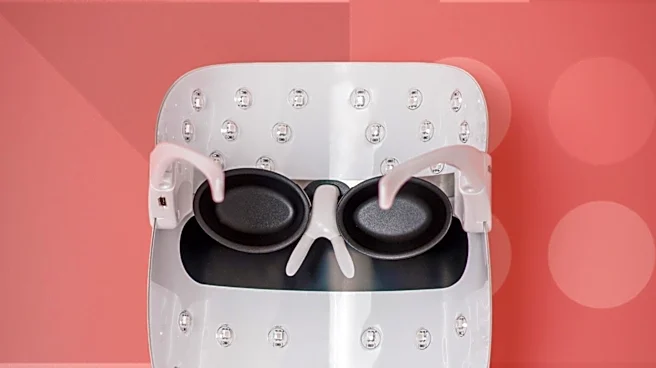
Blue light, specifically at 415 nm, is incorporated into some skincare devices to address acne-prone skin. Its primary function is to target bacteria associated with acne near the skin's surface. While it can be a component of a blemish-care regimen,
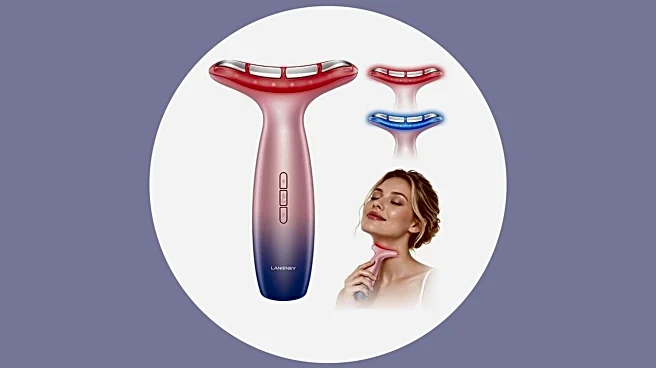
it is not considered a substitute for established acne treatments. The effectiveness of blue light may vary, and it might not be beneficial for all types of breakouts. For persistent, painful, or scarring acne, consulting a dermatologist for an effective approach is recommended over solely relying on blue light masks. In contrast, red light (660 nm) is commonly used in at-home LED skincare devices to support the skin's natural renewal processes, aiming to improve the appearance of fine lines, uneven texture, or dullness. Yellow light (590 nm) is often marketed for reducing redness and uneven skin tone, while infrared light (850 nm) penetrates deeper into tissues and is frequently paired with red light to support cellular activity involved in repair processes.
Why It's Important?
The increasing integration of various light wavelengths, including blue light, into at-home skincare devices signifies a growing trend in personalized and accessible dermatological solutions. For consumers, this offers a convenient way to address specific skin concerns without frequent clinic visits. However, it also highlights the importance of understanding the limitations and specific applications of each light therapy. The distinction between blue light for acne and red light for anti-aging, for instance, underscores that different wavelengths serve different purposes, and a single device may not be a panacea for all skin issues. This market trend also places a greater responsibility on consumers to research and understand the scientific basis of these technologies, as advertising claims can sometimes outpace scientific evidence. The emphasis on consulting dermatologists for severe conditions reinforces the role of professional medical advice in conjunction with, or in preference to, at-home devices, particularly for complex or persistent skin problems.
What's Next?
The future of blue light and other LED therapies in skincare will likely involve continued research into optimal wavelengths, intensities, and treatment durations for various skin conditions. As technology advances, devices may become more sophisticated, offering more precise and customizable treatments. There could be a push for clearer regulatory guidelines and standardized efficacy testing to ensure consumer safety and manage expectations regarding results. We may also see more combination therapies, where blue light is integrated with other light wavelengths or traditional skincare ingredients to enhance overall effectiveness. Furthermore, as awareness grows, there will likely be an increased demand for transparent information from manufacturers about the scientific backing of their products, encouraging a more informed consumer base. Dermatologists and skincare professionals will continue to play a crucial role in guiding individuals on the appropriate use of these devices and integrating them into comprehensive skincare plans.
Beyond the Headlines
The proliferation of LED skincare devices, including those utilizing blue light, reflects a broader societal shift towards self-care and accessible wellness technologies. This trend empowers individuals to take a more active role in managing their skin health, moving beyond traditional topical applications. However, it also raises ethical considerations regarding the marketing of these devices. The distinction between a 'complement to a consistent skincare routine' and a 'quick fix' is crucial, as over-promising can lead to consumer disappointment and distrust. There's a subtle but significant cultural implication in how these devices are presented: are they tools for genuine improvement or merely another facet of the beauty industry's constant pursuit of perfection? The long-term effects of regular, unsupervised exposure to various light wavelengths on skin health also warrant ongoing scientific scrutiny. This technological advancement in skincare necessitates a balanced approach, combining innovation with rigorous scientific validation and responsible consumer education.