





What's Happening?
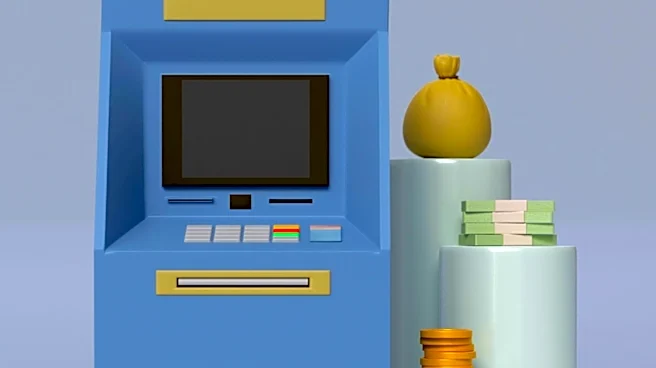
Remote IT support kiosks are emerging as a comprehensive solution for managing device issues and providing technical assistance without the need for on-site IT staff. These self-service hardware terminals integrate several components: a diagnostics terminal for reporting
issues, a communication screen for live interaction with a technician via video or chat, and secure automated lockers for equipment exchange. The workflow typically involves an employee checking in, reporting a problem, connecting with a remote technician for diagnosis and resolution, and then either receiving a software fix or swapping out a faulty device for a working one from a secure locker. This entire process is designed to mirror a traditional help desk interaction but without the associated travel time or delays. Companies like Signifi are implementing these kiosks, such as their Tech Express Desk (TED), which features a dual-screen setup and integrates with existing IT Service Management (ITSM) and IT Asset Management (ITAM) platforms to track inventory and asset movements automatically.
Why It's Important?
The adoption of remote IT support kiosks holds significant importance for U.S. businesses, particularly those with distributed workforces, satellite offices, or field operations. These kiosks address the challenge of providing timely IT support in locations without dedicated IT personnel, thereby reducing employee downtime and improving operational efficiency. For industries reliant on numerous devices, such as warehouses, retail, and field services, the ability to quickly swap out faulty equipment can prevent significant disruptions to daily operations. By automating the device exchange process and integrating with backend systems, these kiosks also reduce the administrative burden on IT departments, allowing technicians to focus on more complex issues rather than manual tracking and reconciliation. This shift can lead to substantial cost savings by minimizing shipping expenses, reducing the need for on-site IT travel, and decreasing the overall time spent resolving hardware-related tickets, which can otherwise take several days.
What's Next?
The continued expansion and refinement of remote IT support kiosk technology are anticipated. Businesses are likely to further integrate these kiosks into their broader IT infrastructure, leveraging advanced analytics and AI to predict device failures and optimize inventory management. The market for self-service kiosks is growing, and IT-specific deployments are expected to increase as more organizations seek efficient ways to handle device handoffs. Future developments may include enhanced diagnostic capabilities, more sophisticated security features for lockers, and broader compatibility with various communication and ITSM platforms. As remote and hybrid work models become more prevalent, the demand for accessible and immediate IT support solutions will drive innovation in this sector, potentially leading to more compact, versatile, and user-friendly kiosk designs that can be deployed in a wider range of environments.
Beyond the Headlines
Beyond the immediate benefits of efficiency and cost savings, the widespread adoption of remote IT support kiosks could signify a broader transformation in how U.S. companies approach employee support and asset management. This technology fosters a culture of self-service and immediate problem-solving, empowering employees to resolve IT issues quickly and independently. It also highlights a growing trend towards automation in traditionally human-centric roles, prompting discussions about the evolving skill sets required for IT professionals. Furthermore, the data collected by these kiosks on device usage, failure rates, and repair cycles can provide invaluable insights for product development and procurement, leading to more robust and reliable hardware choices. The ethical implications of data privacy and security within these automated systems will also become increasingly important, requiring robust compliance measures to protect sensitive employee and company information.