




What's Happening?
Bitcoin and Ethereum prices have experienced a decline ahead of a significant Federal Reserve meeting. On July 28, 2026, Bitcoin opened at $63,706.66, marking a 2.5% decrease from the previous day. By 8:34 a.m. ET, the price further dropped to $63,327.39.
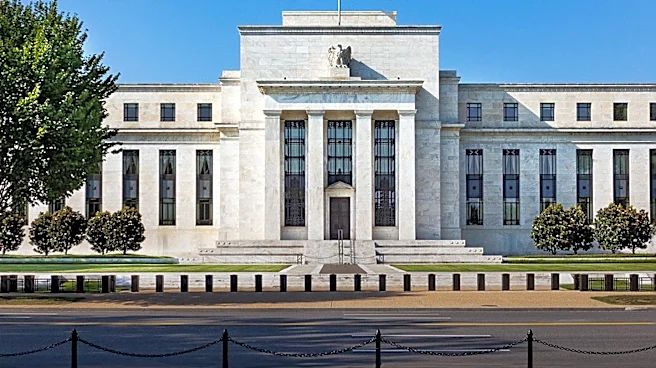
Similarly, Ethereum opened at $1,890.67, down 3.2% from Monday, and decreased to $1,877.71 by the same time. This decline in cryptocurrency prices is occurring as investors anticipate the outcomes of the Federal Reserve's two-day meeting, which is considered one of the most unpredictable in recent years. The CME Group's FedWatch tool indicates a 35.8% probability of a rate hike, up from 25.7% the previous week. The crypto market is also reacting to potential peace developments in the Middle East and negative news surrounding AI circular funding.
Why It's Important?
The fluctuations in Bitcoin and Ethereum prices highlight the sensitivity of the cryptocurrency market to macroeconomic events, such as Federal Reserve meetings. A potential interest rate hike could impact investor sentiment and liquidity in the market, leading to increased volatility. This situation underscores the interconnectedness of traditional financial policies and the digital currency market. Investors and stakeholders in the cryptocurrency space must navigate these uncertainties, which can affect investment strategies and market stability. The outcome of the Federal Reserve meeting could set a precedent for future monetary policy decisions, influencing both traditional and digital financial markets.
What's Next?
As the Federal Reserve meeting concludes, market participants will closely monitor any announcements regarding interest rate changes. A rate hike could lead to further adjustments in cryptocurrency prices as investors reassess their portfolios. Additionally, the ongoing developments in the Middle East and AI funding news may continue to influence market dynamics. Stakeholders in the cryptocurrency market will need to remain vigilant and adaptable to these evolving conditions, potentially adjusting their strategies to mitigate risks and capitalize on opportunities.