





What's Happening?
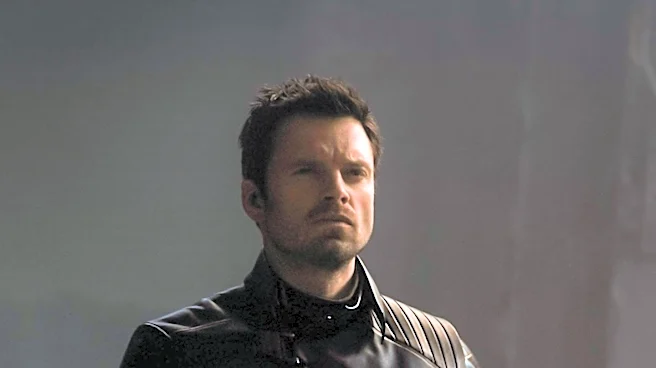
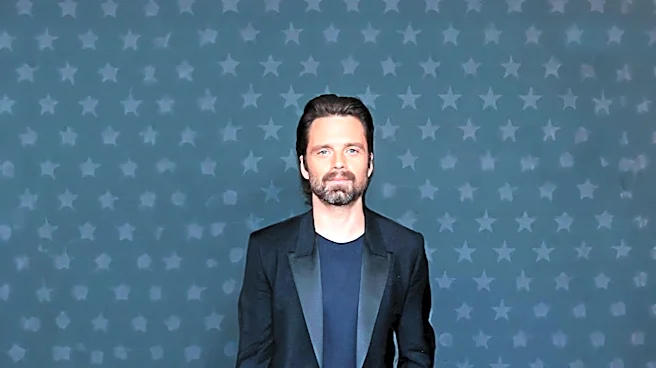
Sebastian Stan, known for his role as Bucky Barnes in the Marvel Cinematic Universe (MCU), has publicly stated that he considers the film 'Thunderbolts' a success, despite its worldwide box office gross of $382 million. This figure, while substantial,
falls short of the billion-dollar revenues often achieved by other Marvel releases. In an interview with Matt Neglia of Next Best Picture, Stan emphasized that the financial numbers should not overshadow the creative team's effort and care. He highlighted that a $350 million global gross is still a significant amount of money. Stan also praised the film for its nuanced portrayal of real-life issues, specifically mentioning mental health and depression, which he believes gave 'Thunderbolts' a deeper meaning compared to some recent MCU productions. The film was released in theaters on May 2, 2025.
Why It's Important?
Stan's perspective on 'Thunderbolts' challenges the conventional metric of success in the blockbuster film industry, where box office revenue often dictates a movie's perceived value. His comments underscore a growing sentiment within the creative community that artistic merit and thematic depth should also be considered alongside financial performance. For the MCU, this could signal a shift in how success is internally evaluated, potentially encouraging more nuanced storytelling and exploration of complex themes like mental health, even if it means sacrificing some of the astronomical box office numbers seen in previous phases. This approach could resonate with audiences seeking more substantive narratives within the superhero genre, potentially broadening the appeal of future MCU projects beyond pure spectacle. It also highlights the financial realities of film production, where even a 'modest' gross of hundreds of millions is still a significant achievement.
What's Next?
The reception of Sebastian Stan's comments could influence future discussions within Marvel Studios regarding film production and marketing strategies. If the industry begins to prioritize thematic depth and critical reception more heavily, it might lead to a greater diversity in storytelling within the superhero genre. This could also impact how actors and filmmakers publicly discuss their projects, potentially shifting the focus from box office figures to the artistic and social impact of their work. For audiences, this might mean a continued trend of MCU films tackling more mature and relevant themes. The long-term success of this approach will likely be measured by how well these thematically rich films perform both critically and commercially in the coming years, setting a precedent for the future direction of the franchise.
Beyond the Headlines
Sebastian Stan's remarks touch upon a broader cultural conversation about the definition of success in entertainment, particularly in an era dominated by massive franchises. His emphasis on the film's exploration of mental health and depression suggests a move towards using popular media as a platform for social commentary and destigmatization. This could have significant implications for how blockbusters are perceived, transforming them from mere escapism into vehicles for addressing societal issues. The portrayal of characters like Yelena Belova, Bob Reynolds (The Void), Sentry, and Bucky Barnes grappling with grief, trauma, and identity crises reflects a growing demand for more relatable and psychologically complex heroes. This trend could encourage other studios to integrate similar themes, fostering a more mature and impactful cinematic landscape that resonates deeply with audiences on a personal level, moving beyond superficial entertainment to offer meaningful reflections on the human condition.