





What's Happening?
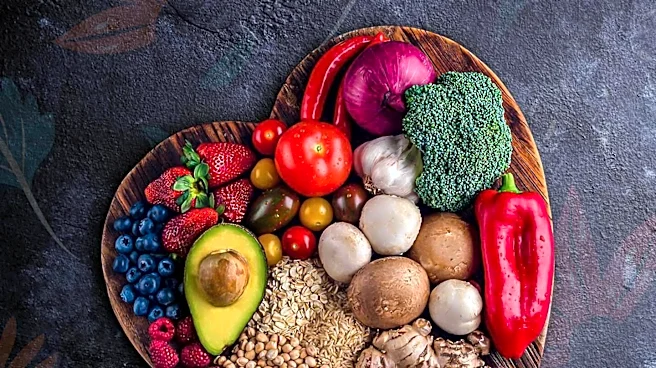
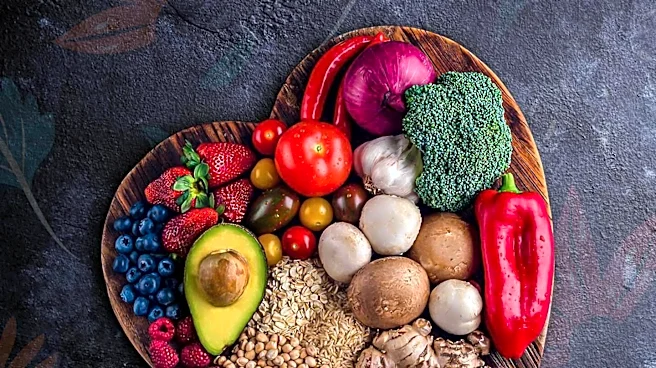
Prebiotics are nondigestible carbohydrates that pass through the digestive system intact until they reach the large intestine, where they are fermented by resident bacteria. These substances, which include common foods like inulin, oats, garlic, apples,
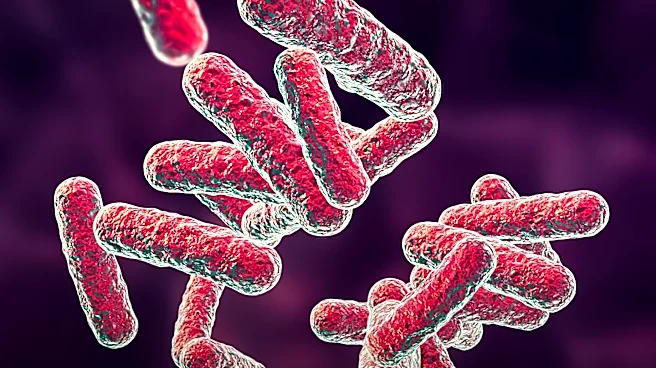
leeks, barley, and onions, serve as food for the naturally occurring microbiomes in the gut. This fermentation process is crucial for maintaining a balanced gut environment, as it enhances the growth and activity of beneficial gut bacteria. While prebiotics are a type of dietary fiber, it's important to note that not all fiber is prebiotic. Their primary function is to feed existing gut microbes, leading to various health benefits such as softening stool and helping to control blood sugar. The byproducts of this fermentation, such as short-chain fatty acids like butyrate, are utilized by the cells lining the colon as fuel, contributing to overall gut health.
Why It's Important?
The role of prebiotics in gut health is significant for overall human well-being. By selectively feeding beneficial gut bacteria, prebiotics contribute to a more robust and diverse microbiome. A healthy gut microbiome is increasingly recognized for its impact on various bodily functions, including digestion, immune system regulation, and even mental health. The fermentation of prebiotics produces short-chain fatty acids, which have anti-inflammatory properties and are vital for the health of colon cells. Incorporating prebiotic-rich foods into the diet can help individuals improve digestive regularity and potentially mitigate issues like constipation. For the U.S. population, where dietary fiber intake is often below recommended levels, understanding and increasing prebiotic consumption could lead to widespread improvements in public health, reducing the prevalence of digestive disorders and supporting a stronger immune response. This knowledge empowers consumers to make informed dietary choices that support long-term health.
What's Next?
As research into the human microbiome continues to advance, there will likely be a greater emphasis on personalized nutrition strategies that incorporate prebiotics. Consumers can expect to see an increase in food products fortified with prebiotics and a wider range of supplements. However, the focus will remain on obtaining prebiotics through a varied diet rich in whole foods. Healthcare professionals, including doctors and registered dietitians, will continue to play a crucial role in educating the public on the benefits of prebiotics and guiding individuals on appropriate dietary changes or supplementation, especially for those with specific health conditions or sensitivities. Further studies are anticipated to explore the precise mechanisms by which different prebiotics impact various strains of gut bacteria and their broader effects on systemic health, potentially leading to more targeted prebiotic interventions for specific health outcomes.
Beyond the Headlines
The growing understanding of prebiotics highlights a fundamental shift in how we view diet and health, moving beyond basic nutrition to a more nuanced appreciation of the gut's ecosystem. This perspective underscores the interconnectedness of diet, microbial health, and overall physiological function. Ethically, the rise of prebiotic supplements and fortified foods necessitates clear labeling and consumer education to prevent misinformation and ensure that products deliver on their promises. There's a broader cultural implication as well, as the emphasis on gut health encourages a return to whole, unprocessed foods that are naturally rich in prebiotics, potentially counteracting trends towards highly processed diets. This focus on nurturing the internal environment through diet represents a proactive approach to health, empowering individuals to take greater control over their well-being by understanding the intricate relationship between what they eat and the microscopic world within them.