







What's Happening?
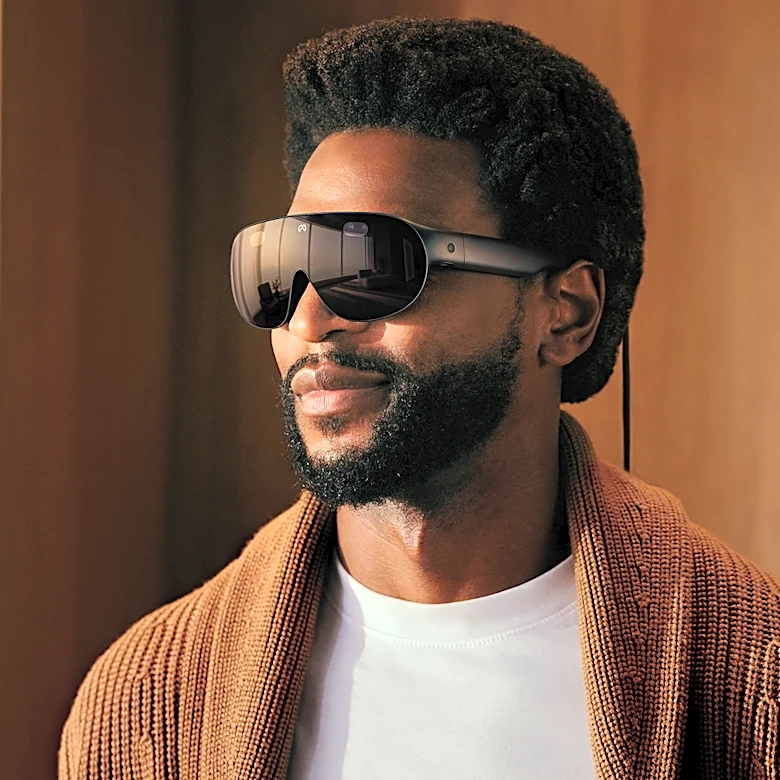
The market for AI-powered wearable devices in 2026 presents a diverse range of products designed to interpret inputs like camera images, speech, or sensor readings to provide useful outputs such as answers, summaries, reminders, or creative recaps. These
devices differ significantly from traditional smartwatches, focusing on specific functionalities like visual memory, conversational assistance, task management, or sleep and recovery insights. Examples include the Looki L1 for visual lifelogging, Ray-Ban Meta Gen 2 for real-time visual AI, Plaud NotePin S and SwitchBot AI MindClip for intentional recording and task management, Omi for AI memory, Bee Pioneer for ambient conversation capture, Oura Ring 5 for sleep and recovery tracking, and Friend for AI companionship. Each device offers unique capabilities, with varying price points and subscription models.
Why It's Important?
The proliferation of AI wearable devices signifies a growing trend in the U.S. towards integrating artificial intelligence into everyday objects to enhance productivity, memory, and personal well-being. These devices offer specialized solutions that go beyond the general functionalities of smartphones and smartwatches, catering to specific user needs. For consumers, this means more tailored tools to manage information, improve health habits, and even foster companionship. For businesses, it represents a burgeoning market with opportunities for innovation in hardware, software, and AI development. However, it also raises critical questions about data privacy, user consent for continuous recording, and the ethical implications of AI-driven assistance and memory capture.
What's Next?
The future of AI wearable devices will likely involve continued specialization and integration of more advanced AI capabilities. Manufacturers will focus on refining the accuracy and usefulness of AI outputs, improving battery life, and enhancing user control over data and privacy settings. The market may see further convergence of functionalities, with devices offering a broader range of AI-powered features while maintaining their core strengths. As these technologies become more commonplace, there will be an increased need for clear communication about their capabilities and limitations, particularly regarding the distinction between wellness insights and medical diagnoses. Regulatory frameworks may also evolve to address the unique challenges posed by AI-driven data collection and processing in personal devices.
Beyond the Headlines
The rise of AI wearable devices delves into profound ethical and societal implications. The ability of these devices to capture and process personal data, from conversations to visual memories, raises significant concerns about privacy, surveillance, and the potential for data misuse. The concept of 'AI companionship' also touches on the nature of human connection and the role of technology in emotional support. As AI becomes more integrated into our daily lives, questions about algorithmic bias, data ownership, and the impact on human cognition and memory will become increasingly pertinent. These devices could fundamentally alter how individuals interact with their environment, remember experiences, and manage their personal and professional lives, necessitating a careful balance between technological advancement and human values.