
What's Happening?
Recent studies have highlighted the potential benefits of ashwagandha, a plant used in traditional Indian medicine, in reducing anxiety and stress. A 2026 phase III clinical trial involving 60 participants
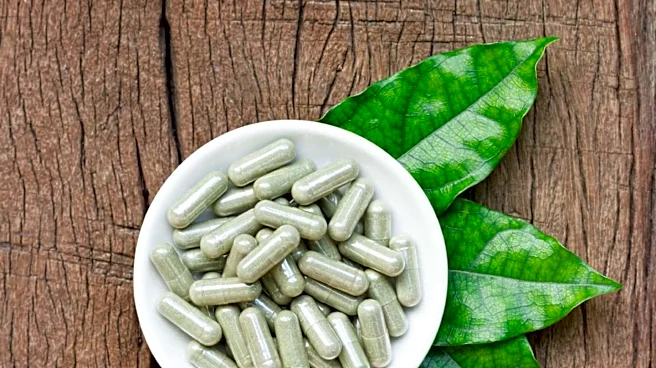
over 60 days found that ashwagandha supplementation significantly reduced anxiety and stress compared to a placebo. Despite these promising results, the study's small sample size and potential biases suggest that more research is needed to confirm these findings. Ashwagandha is often marketed as an adaptogen, a substance believed to help the body manage stress, and is available in various forms such as gummies, powders, and pills. However, the long-term safety and side effects of ashwagandha remain unclear, with some reports of nausea, vomiting, and diarrhea.
Why It's Important?
The potential of ashwagandha to alleviate anxiety and stress is significant given the increasing prevalence of these conditions in the U.S. If further research confirms its efficacy, ashwagandha could become a popular alternative treatment, offering a natural option for those seeking to manage stress and anxiety without pharmaceuticals. This could impact the supplement industry, driving demand for ashwagandha products and influencing market trends. However, the lack of regulation in the supplement industry means consumers must be cautious, ensuring they choose products verified by third-party testing for quality and safety.