





What's Happening?
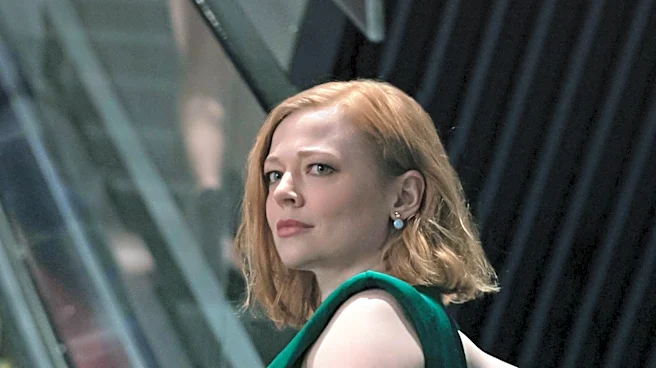
Vertical video platform Snips is adapting full-length television series starring Sarah Snook and several 'Game of Thrones' actors into microdramas. These adaptations will transform existing shows into short episodes, ranging from 45 seconds to two minutes
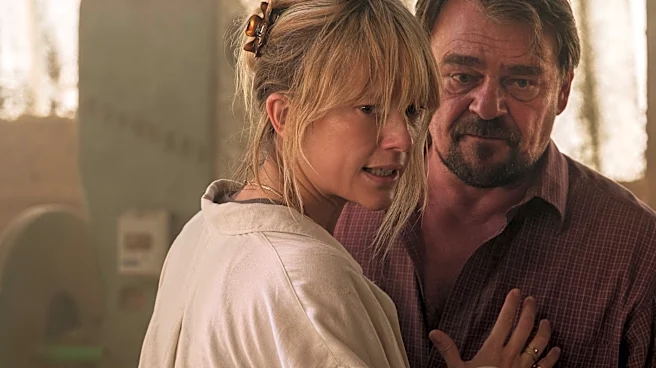
in length, formatted for vertical viewing. The actors involved include Sarah Snook, Maisie Williams, Liam Cunningham, Iain Glen, and Kit Harington. Snips aims to repurpose existing films and TV shows for this new medium, focusing on a 9:16 aspect ratio. The shows being adapted include 'The Beautiful Lie' starring Snook, 'Two Weeks to Live' with Williams, 'Domina' featuring Cunningham, 'Prisoners’ Wives' with Glen, and 'Gunpowder' starring Harington. This initiative reflects a growing trend in content consumption, where platforms are catering to audiences who prefer shorter, more digestible content on mobile devices.
Why It's Important?
This development signifies a notable shift in the entertainment industry's approach to content distribution and consumption, particularly in the U.S. market. By adapting established series with well-known actors into microdramas, Snips is tapping into the increasing demand for short-form video content, a trend largely driven by the prevalence of social media platforms. This could impact traditional television and streaming services by setting a precedent for how older or longer-form content can be repackaged for new audiences and viewing habits. For actors, it presents a new avenue for their work to reach a broader, potentially younger, demographic. The revenue-share model offered by Snips, which ties earnings to performance rather than a flat license fee, could also influence how content creators and rights owners monetize their intellectual property in the evolving digital landscape. This model incentivizes actors and creators to promote their work, fostering a more direct connection between content performance and financial returns.
What's Next?
Snips plans to continue acquiring more titles for adaptation, with CEO Or Ben Shimon attending MIPCOM Cannes to meet with sellers and content owners. This indicates a strategic expansion of their content library, suggesting that more established shows and films could be transformed into microdramas in the near future. The success of these initial adaptations will likely influence the platform's future acquisition strategy and could encourage other content platforms to explore similar models. The revenue-share model could also lead to more actors and rights holders opting for this type of agreement, potentially reshaping traditional licensing deals in the entertainment sector. As viewing habits continue to evolve, the microdrama format could become a more significant part of the digital content ecosystem, prompting further innovation in how stories are told and consumed.
Beyond the Headlines
The rise of microdramas and vertical video content reflects a deeper cultural shift towards instant gratification and fragmented attention spans, particularly among younger audiences. This trend challenges traditional storytelling structures and narrative pacing, pushing creators to condense complex plots and character development into very short segments. While it offers accessibility and convenience, it also raises questions about the depth and nuance that can be conveyed in such brief formats. The repurposing of existing, often critically acclaimed, long-form content into microdramas could be seen as both an innovative way to extend content's lifespan and a potential dilution of its original artistic intent. This phenomenon also highlights the increasing power of mobile devices as primary content consumption platforms, influencing everything from production techniques to marketing strategies in the entertainment industry. The ethical implications of adapting content without the original creators' direct involvement in the new format could also become a point of discussion.