




What's Happening?
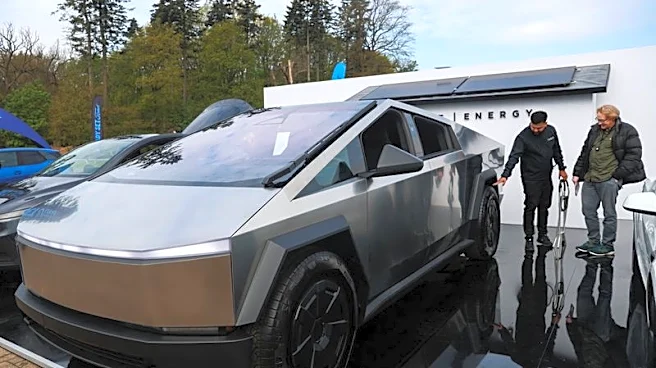
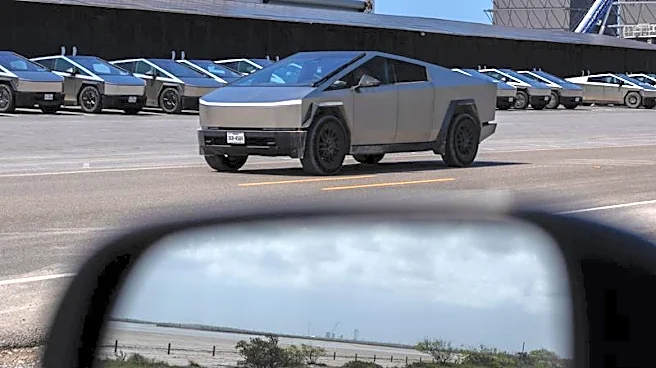
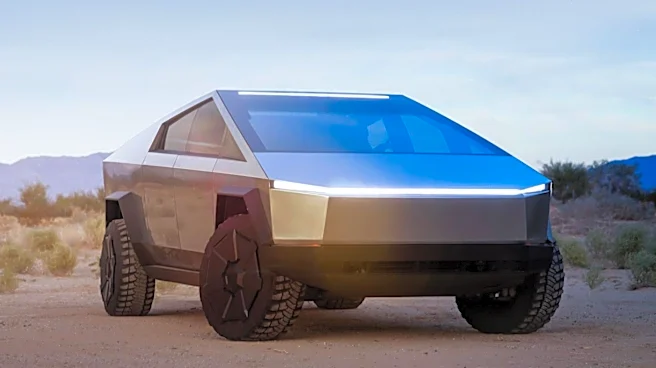
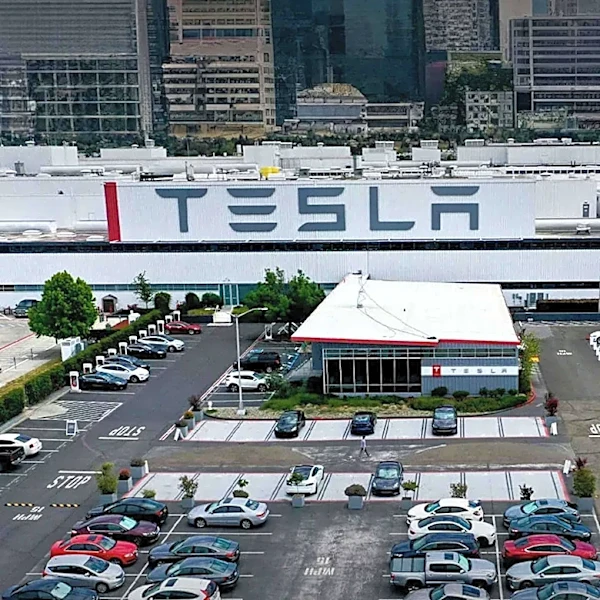
Tesla plans to cease production of its electric Cybertruck pickup at its Gigafactory Texas facility around mid-2027. This decision, announced by CEO Elon Musk, is intended to free up manufacturing capacity for the increased production of the Cybercab
robotaxi. While Musk stated that the Cybertruck fleet would remain in service for a long time, he did not specify whether production would continue at other locations. The Cybertruck, which began deliveries in late 2023, is currently exclusively built at the Texas factory alongside the Model Y and the two-seat Cybercab. Despite initial predictions of annual sales reaching 250,000 units, U.S. Cybertruck sales were estimated at 20,237 units in 2025, a 48% decrease from 38,965 in 2024, according to Cox Automotive. The vehicle has faced challenges including specifications falling short of pre-launch figures, quality issues, and several recalls.
Why It's Important?
Tesla's decision to wind down Cybertruck production at its Texas Gigafactory signifies a strategic shift towards prioritizing the Cybercab robotaxi, indicating a stronger focus on autonomous ride-sharing services. This move could have significant implications for Tesla's product portfolio and market strategy, potentially signaling a pivot from niche consumer vehicles to high-volume autonomous transportation solutions. For the electric vehicle market, it highlights the challenges of mass-market adoption for unconventional designs and the competitive pressures within the EV pickup segment. The reallocation of resources to Cybercab production underscores the growing importance of autonomous technology in the automotive industry and could accelerate the development and deployment of robotaxi services, impacting traditional ride-sharing and taxi industries. This shift also reflects Tesla's ongoing efforts to optimize manufacturing capacity for its most promising future products.
What's Next?
The wind-down of Cybertruck production at Gigafactory Texas is scheduled for around mid-2027, with the immediate focus shifting to scaling up Cybercab robotaxi manufacturing. Tesla will need to manage the transition of its production lines and potentially reallocate its workforce. The company's future announcements will likely clarify whether Cybertruck production will be moved to another facility or if the model will be phased out entirely. The success of the Cybercab will be critical for Tesla's long-term growth strategy, and its deployment will face regulatory hurdles and public acceptance challenges. Competitors in both the electric pickup and autonomous vehicle markets will be closely watching Tesla's execution of this strategic pivot, which could influence their own product development and investment decisions.
Beyond the Headlines
Tesla's strategic decision to prioritize Cybercab production over the Cybertruck at its Texas Gigafactory reflects a broader industry trend towards autonomous services and away from certain niche vehicle segments. This move could accelerate the timeline for widespread robotaxi adoption, potentially transforming urban mobility and reducing reliance on private vehicle ownership. The challenges faced by the Cybertruck, including lower-than-expected sales and production issues, offer insights into the complexities of introducing radical designs and managing consumer expectations in the EV market. Furthermore, this shift underscores the increasing importance of software and service revenue streams for automotive companies, as autonomous ride-sharing platforms promise recurring income. The long-term implications include potential changes in urban infrastructure, energy consumption patterns, and the future of work for professional drivers.