






What's Happening?
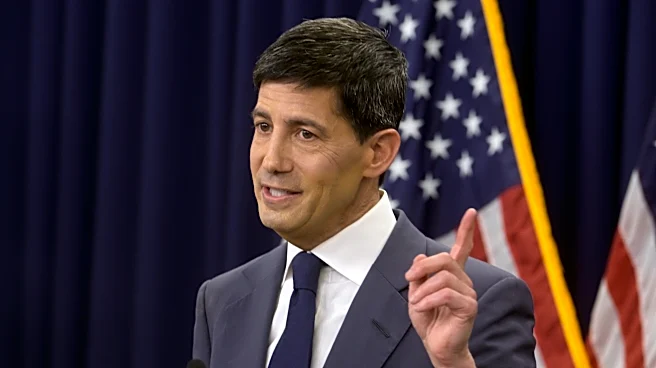
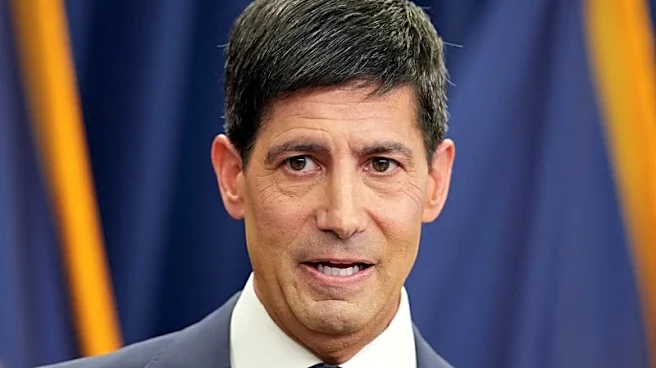
Federal Reserve Chairman Kevin Warsh is exploring alternative measures of inflation as the central bank charts a new course for monetary policy. Speaking at the ECB Forum in Sintra, Portugal, Warsh emphasized the need for new technologies to better understand
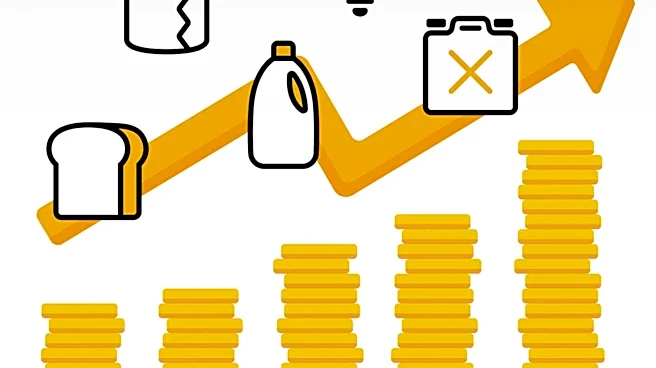
real-time economic conditions. The Fed is considering various inflation indicators beyond the traditional Consumer Price Index (CPI) and Personal Consumption Expenditures (PCE) index, including measures from the Dallas Fed and private sector gauges like Truflation. These alternative measures present differing views on inflation, with some suggesting prices are closer to the Fed's 2% target than traditional metrics indicate. Warsh's approach aims to provide a more comprehensive understanding of inflation, which has been running high for five years.
Why It's Important?
The Fed's exploration of alternative inflation measures reflects a broader effort to enhance the accuracy and relevance of economic data used in policy decisions. By incorporating diverse indicators, the Fed can gain a more nuanced understanding of inflationary pressures, which is critical for setting appropriate interest rates and ensuring economic stability. This approach could lead to more informed and effective monetary policy, benefiting consumers and businesses by maintaining price stability and supporting economic growth. The initiative also highlights the Fed's adaptability in addressing complex economic challenges, such as the impact of technological advancements and geopolitical events on inflation.
What's Next?
The Fed's task forces will continue to evaluate various inflation measures and their implications for monetary policy. As the central bank integrates new data points, it may adjust its policy framework to better address contemporary economic realities. This process will involve collaboration with other central banks and economic experts to refine inflation measurement techniques. The outcome of these efforts could influence future interest rate decisions and the Fed's overall approach to managing inflation. Stakeholders, including investors, businesses, and policymakers, will closely monitor these developments, as they could have significant implications for economic planning and financial markets.