
What's Happening?
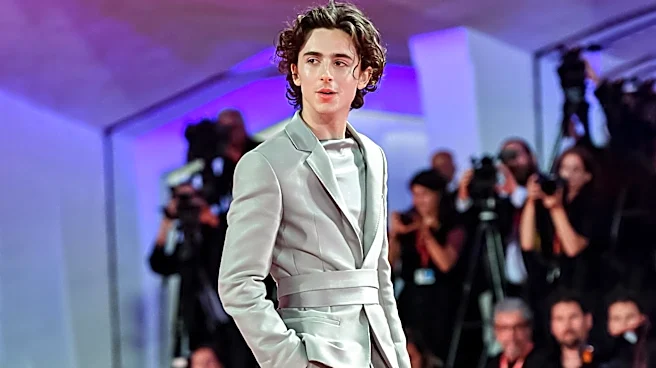
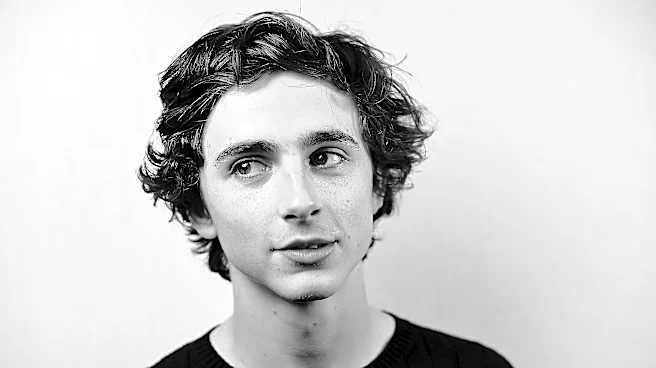
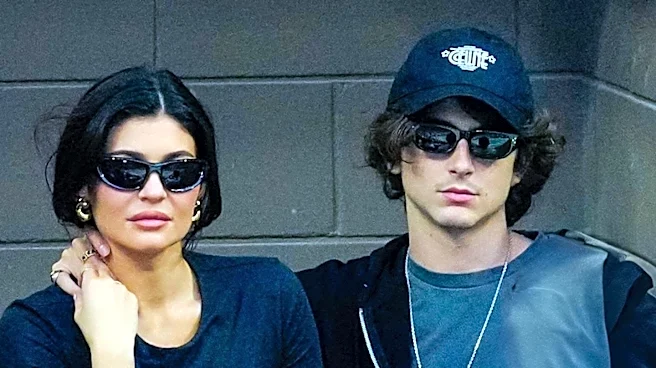
An interview with actor Timothée Chalamet for Vanity Fair, conducted by editor Mark Guiducci, has gone viral due to Chalamet's guarded and evasive demeanor. Despite Chalamet personally requesting Guiducci for the profile, and the interview taking place
in Guiducci's apartment to foster openness, Chalamet declined to discuss his personal life or his high-profile relationship with Kylie Jenner. Instead, the conversation largely revolved around Chalamet's observations of Guiducci’s home decor. This approach led to the article being perceived as more about the editor's apartment than the actor, drawing significant online attention and mixed reactions. Guiducci, however, defended his work, noting Chalamet was a 'lovely houseguest' and 'cheap date' who only drank tap water, suggesting a 'normal' and low-maintenance personality despite his celebrity status.
Why It's Important?
This event highlights the evolving dynamics between celebrity privacy and public expectation in the digital age. Chalamet's decision to remain guarded, especially after being more open during previous promotional cycles for films like 'Marty Supreme,' reflects a growing trend among high-profile figures to control their narratives. This can impact media outlets, which rely on access and candidness for compelling content, and also influence public perception of celebrities. While some may view his evasiveness as a strategic move to maintain mystique, others might see it as a missed opportunity for genuine connection with his audience. The viral nature of the interview underscores the public's intense curiosity about celebrity lives, even when direct access is limited, and how media narratives can shift when subjects are unforthcoming.
What's Next?
The incident may prompt further discussion within the entertainment industry regarding interview protocols and the balance between journalistic inquiry and celebrity privacy. Other public figures might adopt similar strategies of guardedness, potentially leading to more curated and less revealing celebrity profiles. For Chalamet, this event could reinforce his image as a private individual, which might either enhance his allure or lead to continued speculation about his personal life. Media outlets may need to adapt their interview approaches to elicit more substantive content from celebrities who are increasingly protective of their personal narratives, possibly by focusing more on their professional work or creative processes rather than their private lives.
Beyond the Headlines
The viral interview touches upon broader cultural implications concerning authenticity and performance in public life. In an era dominated by social media and constant scrutiny, celebrities face immense pressure to present a curated image. Chalamet's guardedness could be interpreted as a form of self-preservation against the relentless demands of fame, suggesting a desire to separate his public persona from his private self. This raises questions about the ethical boundaries of celebrity journalism and the public's right to know versus an individual's right to privacy. The incident also subtly critiques the 'access journalism' model, where the perceived value of an interview often correlates with the level of personal disclosure, challenging both journalists and audiences to reconsider what constitutes a meaningful celebrity profile.