





What's Happening?
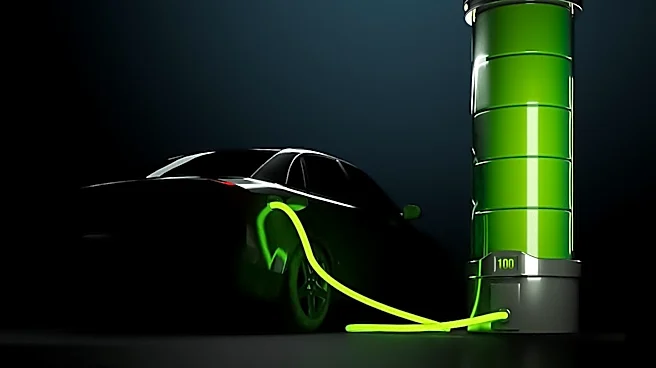
The automotive industry is utilizing various battery technologies to power vehicles, ranging from traditional internal combustion engine cars to electric vehicles (EVs). Lead-acid batteries are commonly found in conventional gasoline and diesel cars,
primarily for engine starting and powering accessories. These batteries are affordable and reliable but have limited energy storage and a shorter lifespan. Lithium-ion batteries are the standard for hybrid vehicles, plug-in hybrids (PHEVs), and EVs due to their high energy density, lightweight nature, and long lifespan, enabling longer ranges and better efficiency. Nickel-metal hydride (NiMH) batteries are used in hybrid vehicles, offering a longer lifespan than lead-acid batteries and being more environmentally friendly, though they have lower energy density than lithium-ion. Solid-state batteries are an emerging technology in development for future EVs, promising higher energy density, faster charging, enhanced safety, and a longer lifespan by replacing liquid electrolytes with solid materials.
Why It's Important?
The choice of battery technology significantly impacts vehicle performance, maintenance costs, environmental footprint, and driving range. Lithium-ion batteries, while more expensive, are crucial for the advancement of EVs, allowing for greater acceleration and extended range, which is vital for consumer adoption and the transition away from fossil fuels. The development of solid-state batteries could further revolutionize the EV market by addressing current limitations of lithium-ion technology, such as cost and safety concerns, potentially making EVs more accessible and efficient. Conversely, the continued use of lead-acid batteries in conventional vehicles highlights a cost-effective solution for basic automotive needs, but their environmental impact and shorter lifespan present ongoing challenges. The evolution of battery technology is central to meeting increasingly stringent environmental regulations and consumer demands for more sustainable and high-performing vehicles.
What's Next?
The automotive sector is expected to continue investing heavily in research and development for advanced battery technologies, particularly solid-state batteries. As solid-state technology matures, it is anticipated to become more commercially viable, potentially replacing lithium-ion batteries as the preferred power source for EVs. This shift could lead to a new generation of electric vehicles with superior energy storage, faster charging capabilities, and improved safety profiles. Manufacturers will likely focus on scaling up production of these newer battery types while simultaneously working to reduce their cost to make them more competitive. Additionally, there will be ongoing efforts to improve the recycling processes for all battery types to mitigate environmental impact and ensure a sustainable supply chain for critical materials.
Beyond the Headlines
The ongoing evolution of battery technology extends beyond mere vehicle performance, touching upon critical aspects of global resource management and energy independence. The reliance on specific materials for lithium-ion batteries, such as lithium and cobalt, raises geopolitical concerns regarding supply chains and ethical sourcing. The shift towards more abundant materials in technologies like sodium-ion cells or the development of solid-state batteries could alleviate these pressures, fostering greater energy security for nations. Furthermore, the safety implications of battery technology, particularly the risk of thermal runaway in lithium-ion batteries, underscore the importance of rigorous safety standards and certifications like 'UL.' The long-term environmental impact of battery production and disposal also presents a significant challenge, necessitating the development of robust recycling infrastructures and sustainable manufacturing practices to truly realize the environmental benefits of electric vehicles.