







What's Happening?
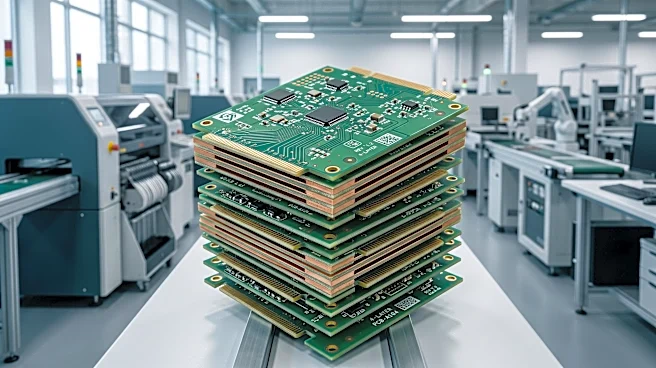
U.S. importers of Printed Circuit Boards (PCBs) from China are navigating a complex and evolving tariff landscape. As of October 12, 2026, qualifying 2-layer and 4-layer rigid glass-impregnated bare PCBs from China are subject to a 12.5% tariff. However,
most other Chinese bare PCBs face a significantly higher tariff of 37.5%. This disparity is due to a product-specific exclusion for 2-layer and 4-layer boards that is set to expire at 11:59 p.m. EDT on November 9, 2026, unless extended. The current tariff regime includes a 12.5% Section 301 rate on products from China, in addition to an older 25% China Section 301 duty that applies unless a valid exclusion is in place. A temporary 10% import surcharge was in effect from February 24 through July 23, 2026, before being replaced by the new Section 301 action. The actual tariff rate depends on factors such as HTS classification, product description (layer count, rigidity, base construction), country of origin, and the entry date.
Why It's Important?
The fluctuating and potentially increasing tariffs on Chinese PCBs have significant implications for U.S. businesses, particularly those in the electronics manufacturing sector. The difference between a 12.5% and 37.5% tariff can result in a substantial increase in landed costs, with a $20,000 customs value potentially incurring an additional $5,000 in duty. This directly impacts the profitability and competitiveness of U.S. companies that rely on these components. Businesses need to meticulously track product specifications and origin to ensure they qualify for any existing exemptions. The impending expiration of the exclusion for 2-layer and 4-layer boards creates uncertainty and necessitates proactive planning for potential cost increases. This situation underscores the broader impact of trade policies on supply chains and manufacturing costs within the U.S. economy, affecting both large corporations and smaller enterprises.
What's Next?
U.S. importers of Chinese PCBs must closely monitor the status of the exclusion for 2-layer and 4-layer boards as its expiration date of November 9, 2026, approaches. Businesses should prepare for the possibility that this exclusion may not be renewed, leading to a higher 37.5% tariff on these specific products. It is crucial for buyers to obtain detailed quotes that separate fabrication, components, assembly, tooling, and logistics costs. They should also preserve all classification evidence, including stackup, material declarations, Gerbers, flexibility, layer count, Bill of Materials (BOM), and end-use documentation. Reconfirming PCB tariffs before shipment and entry, especially after November 9, is essential. Companies are advised to model both tariff outcomes (12.5% and 37.5%) for qualifying 2-layer and 4-layer boards to mitigate financial risks. Consulting with a licensed customs broker for final HTS, origin, exclusion, and duty determinations before filing is highly recommended.
Beyond the Headlines
The ongoing adjustments to PCB tariffs highlight the broader challenges faced by U.S. industries in managing global supply chains amidst evolving trade policies. The emphasis on precise product descriptions and country of origin for tariff exemptions could incentivize U.S. companies to diversify their sourcing strategies or invest in domestic manufacturing capabilities to reduce reliance on imports from countries subject to higher tariffs. This situation also underscores the importance of robust customs compliance and the need for businesses to have a deep understanding of international trade regulations. The potential for sudden tariff changes can create market volatility and impact long-term investment decisions, pushing companies to seek greater predictability and stability in their procurement processes. The detailed requirements for tariff exemptions also suggest a trend towards more granular and specific trade policies, requiring businesses to adapt with increased diligence and expertise.