




What's Happening?
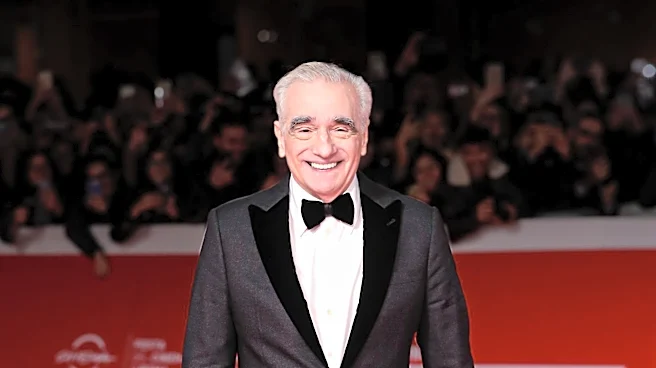
Martin Scorsese's documentary, 'The Last Waltz,' which chronicles The Band's Thanksgiving-day farewell concert, has been recognized for featuring one of the most significant live performances ever captured. Hanif Abdurraqib, as noted by The New Yorker,
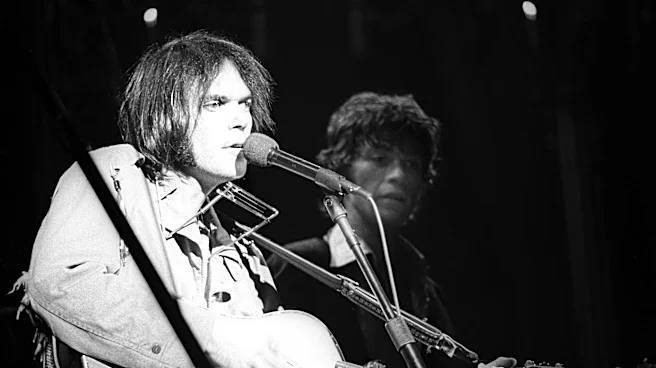
highlights the film's enduring quality and its status as a Thanksgiving tradition for many. The documentary captures the iconic 1976 concert held at San Francisco's Winterland Ballroom, which featured a star-studded lineup of guest performers alongside The Band. Scorsese's directorial approach in 'The Last Waltz' blended live concert footage with studio segments and interviews, creating a comprehensive look at the group's career and the broader music scene of the era. The film is celebrated not just for its musical content but also for its cinematic artistry, showcasing Scorsese's ability to translate live performance into a compelling narrative.
Why It's Important?
The continued recognition of 'The Last Waltz' underscores its significant cultural and historical impact within the realm of music documentaries and concert films. Its enduring appeal highlights the lasting legacy of The Band and the artistic vision of Martin Scorsese. For the music industry, the film serves as a benchmark for how to effectively document live performances, influencing subsequent generations of filmmakers and musicians. It also reinforces the idea that certain artistic works can transcend their original context to become perennial cultural touchstones, particularly during specific times of the year like Thanksgiving. The film's ability to draw new viewers decades after its release speaks to its timeless quality and the universal appeal of its musical performances and storytelling.
What's Next?
While 'The Last Waltz' is a historical document, its continued discussion, particularly around Thanksgiving, suggests it will remain a staple in cultural commentary and holiday viewing traditions. Future analyses may delve deeper into its influence on contemporary music documentaries or its role in shaping the public perception of rock and roll history. The film's presence in academic studies of cinema and music is also likely to persist, offering insights into Scorsese's early documentary work and the evolution of concert film aesthetics. As new generations discover classic music, 'The Last Waltz' is poised to continue serving as a gateway to understanding a pivotal era in American music.
Beyond the Headlines
Beyond its immediate recognition as a great concert film, 'The Last Waltz' offers deeper insights into the nature of farewells and artistic legacy. It captures a moment of transition in rock music, marking the end of an era for The Band and reflecting broader shifts in the music industry of the late 1970s. The film also showcases Scorsese's early exploration of themes that would recur throughout his career, such as memory, performance, and the construction of identity. Ethically, the documentary raises questions about the authenticity of live performance versus cinematic portrayal, as Scorsese meticulously crafted the film's narrative. Culturally, it has cemented The Band's place in the pantheon of American music, ensuring their contributions continue to be celebrated and studied.