




What's Happening?
Gardening experts are promoting several innovative techniques to enhance garden productivity, improve soil health, and reduce labor. Key methods include 'Grid Planting,' popularized by Mel Bartholomew's Square Foot Gardening, which divides beds into twelve-inch
squares to maximize space, cut land use by 80%, and reduce water consumption by 90%. 'No-Dig Lasagna Layering,' introduced by Patricia Lanza, involves stacking organic matter like cardboard, straw, grass clippings, and compost directly over turf, allowing earthworms to create rich soil without digging. 'Strategic Companion Planting,' as detailed by Louise Riotte, uses natural botanical chemistry to help plants protect each other from pests. 'Hugelkultur' involves building raised beds over decaying wood to store moisture and reduce irrigation needs. 'Trellising Skyward' is recommended for vining vegetables to increase yields in limited spaces, improve air circulation, and reduce fungal infections.
Why It's Important?
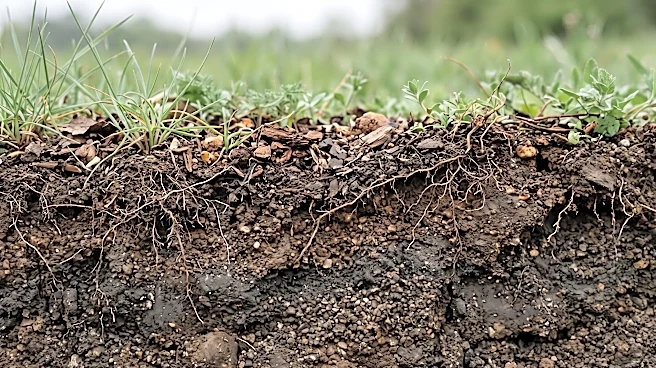
These advanced gardening techniques offer significant benefits for both home gardeners and the environment. Grid planting and trellising address the common challenge of limited space, making gardening accessible and productive even in small urban areas. No-dig methods like lasagna layering and hugelkultur promote soil health by minimizing disturbance and enriching the soil with organic matter, fostering beneficial microbial life and reducing the need for synthetic fertilizers. Companion planting provides a natural, pesticide-free approach to pest management, contributing to healthier ecosystems and safer food. By reducing water consumption and promoting natural pest control, these methods align with sustainable agricultural practices, lessening environmental impact. Ultimately, these techniques empower gardeners to achieve higher yields with less effort and fewer resources, making gardening more efficient, enjoyable, and eco-friendly.
What's Next?
Gardeners are encouraged to explore and implement these innovative techniques in their own plots, starting with one or two methods to observe their effectiveness. For instance, beginning with grid planting in a single bed or trying companion planting with a specific pair of crops can provide valuable hands-on experience. Autumn is an ideal time to start no-dig lasagna layering beds, allowing them to decompose over winter for spring planting. Educational resources, including gardening books and local workshops, can provide further guidance and detailed instructions for successful implementation. As these methods gain wider adoption, they could lead to more resilient and productive home gardens, contributing to local food security and promoting sustainable land use practices within communities.
Beyond the Headlines
The promotion of these gardening techniques signifies a broader shift towards ecological gardening principles, moving away from conventional, resource-intensive methods. These approaches emphasize working with nature rather than against it, recognizing the complex interdependencies within soil ecosystems and plant communities. The focus on soil food webs, as highlighted by Jeff Lowenfels, underscores a paradigm shift in how gardeners view soil—not as inert dirt, but as a living, dynamic system. This philosophical change encourages a more mindful and holistic approach to cultivation, fostering a deeper connection to the natural world. By adopting these methods, gardeners become active participants in ecological restoration, contributing to biodiversity, carbon sequestration, and overall environmental health, thereby extending the impact of their backyard efforts far beyond their garden gates.